

• Our Working Hours : Monday - Friday | 09:00 - 19:00
  • Mimar Sinan Mah. Yedpa Tic. Central. E Cad.No:4 34779 Ataşehir / Istanbul / Türkiye
Koçak Endüstri
Adhesive Technologies

What is Hot Glue? Hot Melt Types and Usage Areas

Learn the working principle of hot melt, EVA, PO, PUR and PSA types, usage areas and choosing the right product from a technical perspective.

Application of hot glue to the edge of wood panels on an automatic edge banding line
Preparer Koçak Endüstri Teknik Danışmanlık Ekibi Update 09.09.2026 Reading Yaklaşık 10 dk.
60 saniyede hızlı teknik yanıt

What is Hot Glue? Hot Melt Types and Usage Areas

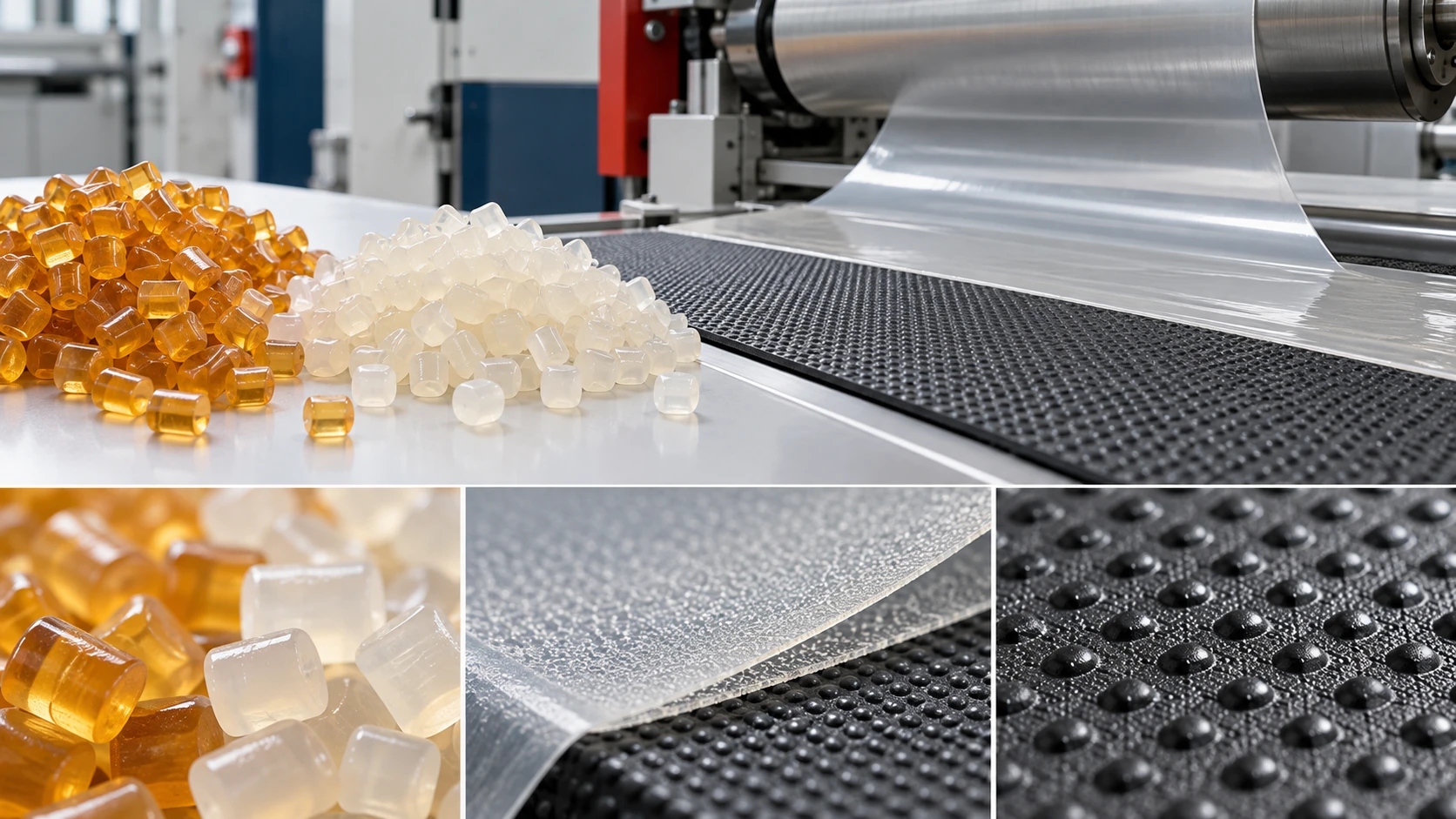
Hot melt is a solvent-free industrial adhesive that is solid at room temperature, becomes fluid by heating in a controlled manner, and forms a bond mostly upon cooling after being applied to the surface. Families such as EVA, PO, PUR, PSA, PA and APAO; The surface is selected according to line speed, open time, application temperature and strength expectation.

Hot glue is a group of adhesives used in industrial production when fast adhesion, solvent-free operation and compliance with the process speed are expected. These products, known as hot melt adhesive and in English, are solid at room temperature; It is fluidized by heated in a controlled manner in the application equipment and forms a bond after being transferred to the surface.

But the “best hot glue” is not a single product. The operating behavior and final performance of different hot melt adhesive families such as EVA, PO, PUR, PSA, PA and APAO differ from each other. Making a selection based only on the product name without considering conditions such as surface type, line speed, application temperature, open time, appearance expectation, humidity and heat exposure may not give correct results.

What is hot glue?

Hot glue; It is an adhesive that is stored in solid form, melts and becomes fluid under the influence of heat, and forms a bond through cooling or chemical reaction after being applied to a surface. For this reason, it is different from classical systems that wait for a solvent to evaporate. After application, the first adhesion may occur in a short time so that the line can continue; Ultimate strength may develop over a different period of time depending on the product family and process conditions.

In industrial hot glue applications, equipment setting is as important as the product itself. Tank or cartridge temperature, hose and nozzle temperature, weight given to the surface, application interval, printing time and cleanliness of the surfaces directly affect the bond quality. Therefore, the current technical data sheet (TDS) and safety data sheet (SDS) should always be taken as basis for product code-specific values.

How does hot glue work?

  1. Fluidization: The solid product is heated in a controlled manner within the recommended operating range of the machine. Excessively high temperatures may increase the risk of discoloration, smoke, odor or thermal degradation.
  2. Application and wetting: Fluid glue is transferred to the surface with a nozzle, roller or a suitable applicator. The cleanliness of the surface, temperature, and surface energy affect how well the glue wets the surface.
  3. Bond formation: In standard hot melt products, a significant part of the bond is formed by cooling. In reactive PUR hot melt products, chemical curing may occur with moisture; Open packaging, equipment maintenance and operating procedure for these products must be managed separately.

As the application speed increases, the time the glue can remain on the surface decreases. On the other hand, the joining temperature of the parts, printing time and open time requirement may vary. Sample production and process recording should be part of the selection process, as the same product will not work with the same setting on different machines and materials.

Hot glue types

Hot melt adhesives are divided into different families according to the resin structure and targeted performance. The following summary provides guidance for initial assessment; Product code selection should be verified by application testing and current TDS.

________ ________ PO / polyolefin Differentiated options for appearance, thermal behavior and compatibility expectations on some surfaces Edge banding and certain low surface energy material combinations PUR hot melt Reactive system that can continue to react with moisture after application Selected applications where high ultimate strength or moisture/heat resistance is expected PSA hot melt Pressure-activated adhesive character Labels, tapes and special surfaces requiring removable or permanent adhesion PA / APAO According to special thermal, chemical, flexibility or surface compatibility requirements systems evaluated Electrical, automotive, filter, textile and special industrial applications

EVA hot glue

EVA-based products are used in numerous production lines with different viscosities, colors, open times and application windows. In processes such as edge banding and packaging, fast initial adhesion, clean application and compliance with machine speed may come to the fore. Decisions should not be made based solely on the name "EVA" without considering the tape back surface, panel material, application temperature and actual line speed together.

PO hot glue

Polyolefin based hot glues; It can provide alternatives in topics such as visible glue line, color, heat behavior and compatibility with some tape surfaces. Especially for low surface energy tapes, back surface treatment, primer and surface cleaning should be checked before product selection. When adhesion problems occur, increasing the temperature alone is not a reliable solution.

PUR hot glue

Since PUR hot melt products may react with moisture after application, a different maintenance and storage discipline is required than standard thermoplastic hot melt products. Open packaging time, management of remaining product in the tank and hose, protection of the nozzle and manufacturer's procedure are important. PUR selection should be made by verifying the suitability of the machine for this system along with the targeted strength.

Where is hot glue used?

Hot glue technology appears in many different production areas due to its advantages of fast cycle and compatibility with automation:

  • Furniture and woodworking: Binding of PVC, ABS, PP, PMMA, melamine or wooden edgebands to the panel; Installation of profiles, laminate and decorative parts.
  • Packaging: High line speed gluing of box closures, cases, trays, cartons and some flexible packaging components.
  • Automotive and transportation: Assembling trim, textiles, felt, filters and auxiliary parts according to material combination.
  • Textiles and hygiene products: Controlled fixing of fabrics, nonwovens, elastic parts and multilayer structures.
  • Electrical and electronics: Applications with product-specific heat and insulation requirements in cables, coils, components and protective parts.
  • Filter and technical lamination: Layering of filter media, felt, foam and different carriers, taking into account surface compatibility.

The same hot glue should not be expected to give the same performance in each of these areas. The porosity of the material, surface energy, thermal sensitivity, time under pressure and usage environment should be evaluated.

How to choose the right hot glue?

Defining the application before searching for the product code allows finding the correct product family faster. The following questions provide a practical starting framework for technical evaluation:

________ ________ Machine and line Applicator type, tank/hose/nozzle construction, line speed and print pattern Affects flow, weight, open time and maintenance need Appearance Glue line, color, bleed, threading and finishing tolerance Helps select the correct viscosity, color and application window Service condition Humidity, temperature, chemical contact, vibration and expected life Matches ultimate strength expectation to product family Quality verification Peel/tensile, cut, age and actual production sample results Confirms laboratory impression with actual process result

See Jowat product cards or Mayer product cards with this information. Temperature, viscosity, packaging and application notes in the TDS link on the product card; It should be evaluated together with the safe operating limits of the machine manufacturer. A small sample should be compared before product change and then a control piece from stable production.

Difference of hot glue from water-based and solvent-based glues

Hot glue does not have the same working logic as water-based or solvent-based systems. Bond formation in water-based products is mostly related to the separation of water from the surface and the development of the film. In solvent-based systems, evaporation of the carrier solvent and appropriate ventilation conditions become important. In hot melt products, the application proceeds by fluidizing the solid material with heat and forming a bond through cooling or reaction.

This difference; It can affect machine design, energy requirements, open time management, ventilation, storage and cleaning method. It is not right to replace a water-based or solvent-based product used in a process with hot glue just because it is “faster”. The surface, equipment, safety procedure, and target performance must be reverified together.

Common mistakes in hot glue applications

When an application problem occurs, the first step is to isolate the process in a controlled manner, rather than making random temperature changes. The most common situations are:

  • Insufficient adhesion: Surface contamination, low surface temperature, insufficient pressure, wrong product family or short contact time according to line speed should be checked.
  • Overflow and thick line: Excessive grammage, inappropriate viscosity, pressure roller adjustment or problems with the alignment of the surfaces should be examined.
  • Threading: Application temperature, viscosity, nozzle geometry, application distance, open time and equipment cleanliness should be evaluated together.
  • Color or odor change: The possibility of the product waiting in the tank for too long, repeated heating, excessive temperature or mixing of different products should be checked.
  • Tape opening: Back surface treatment of the tape, glue wetting, panel/tape surface cleaning and sufficient waiting time for final strength should be verified.

After each change it is necessary to save the result. If the product code, batch information, machine setting, surface type, line speed and observed error are recorded, cause analysis will be accelerated when the problem recurs.

Safe use, storage and cleaning

In hot glue applications, both heated material and machine surfaces may pose a risk of burns. Operating temperature, cleaning chemical or maintenance method should not be changed without reading the product-specific safety data sheet and the equipment manufacturer's instructions. Appropriate personal protective equipment should be used against the risk of splashing, and a safe stop procedure should be applied before performing maintenance on hot equipment.

Products are in their original packaging, under the conditions specified in TDS and SDS; It should be stored protected from moisture, direct sun, extreme temperature and contamination. Especially for reactive PUR hot melt products, the time starting from the opening of the package and moisture contact should be managed according to the manufacturer's procedure. When cleaning, avoid mixing different product families in the same tank; The compatible cleaning product, the machine manufacturer's procedure and the relevant technical document must be taken as basis.

Technical support for your hot glue selection

When selecting a hot glue for your application, first clarify material and process information, then compare candidates by product code and current TDS. You can review our Hotmelt glue types guide, edge band glue contents and temperature-viscosity adjustment guide.

By sharing your product code, material, machine and target performance information, you can request an evaluation via Technical Information Center or contact Koçak Endüstri technical team . The final selection must be verified by up-to-date technical documentation and the actual production sample.

Frequently asked questions

What is Hot Glue? Hot Melt Types and Usage Areas hakkında merak edilenler

What is hot glue?

Hot glue or hot melt is a solvent-free adhesive that is fluidized by heating and usually forms a bond upon cooling after being applied to the surface. Depending on the product family, ongoing reaction with moisture may also be present.

Are hot melt and hot glue the same thing?

In general use, yes. Hot melt means hot melt adhesive and is used as hot glue or hot melt glue in Turkish.

What surfaces does hot glue stick to?

Surface compatibility varies depending on the product and the back treatments of the surface. Different products are evaluated for wood, edgebanding, cardboard, textile, felt, foam and technical materials; real sample testing is required.

Is hot glue water resistant?

No single generalization can be made. Water and moisture resistance depends on product family, product code, curing and application conditions. Current TDS and aging test should be checked together.

How long does hot glue last?

Initial adhesion and final strength time; The open time of the product varies depending on surface temperature, application weight, printing, line speed and product family. Instead of a universal period, product TDS and production sample should be taken as basis.

What is the difference between EVA and PUR hot glue?

EVA is a thermoplastic hot melt system and a significant part of the bond is formed by cooling. In PUR hot melt products, a reaction with moisture may occur after application; Therefore the storage, equipment and maintenance procedure are different.

At what temperature is hot glue applied?

Application temperature is determined by product code and equipment. For tank, hose and nozzle settings, the current TDS should be used together with the machine manufacturer's safe operating limits.

Why does hot glue thread?

Threading; Temperature-viscosity mismatch may be related to nozzle geometry, application distance, open time, line speed, or equipment cleanliness. Changes should be controlled and tried one by one.

How to choose the right hot glue product?

Surface and back surface treatment, machine, line speed, appearance, humidity/heat expectation and maintenance procedure are evaluated together; followed by verification with product TDS and actual production sample.

Technical resources and verification

The content has been prepared in Turkish with the technical experience of Koçak Endüstri, based on the following manufacturer resources.

Let's choose the right adhesive for your application together

You can get technical guidance and offers for Jowat products by sharing your machine, material and consumption information.

Get a technical quote
A KOÇAK GROUP COMPANY

Koçak Endüstri operates with the strength of Koçak Group.

We reinforce our industrial supply and technical solution capabilities with Koçak Group’s corporate experience, quality approach and sustainable growth vision.

Discover Koçak Group groupkocak.com.tr