

• Our Working Hours : Monday - Friday | 09:00 - 19:00
  • Mimar Sinan Mah. Yedpa Tic. Central. E Cad.No:4 34779 Ataşehir / Istanbul / Türkiye
Koçak Endüstri Industry
Koçak Endüstri Industry INDUSTRY TECHNICAL INFORMATION CENTER

Find the correct answer about adhesives and process chemicals.

The technical answer you are looking for for hot melt glue, EVA, PO, PUR, PSA, edge banding, Riepe, Jowat and Mayer products; Review with application logic, selection criteria, product linking and TDS routing. Each answer links the real production question to understandable technical knowledge and the right Koçak Endüstri Industry source.

262 technical question4 technology comparison3 product center
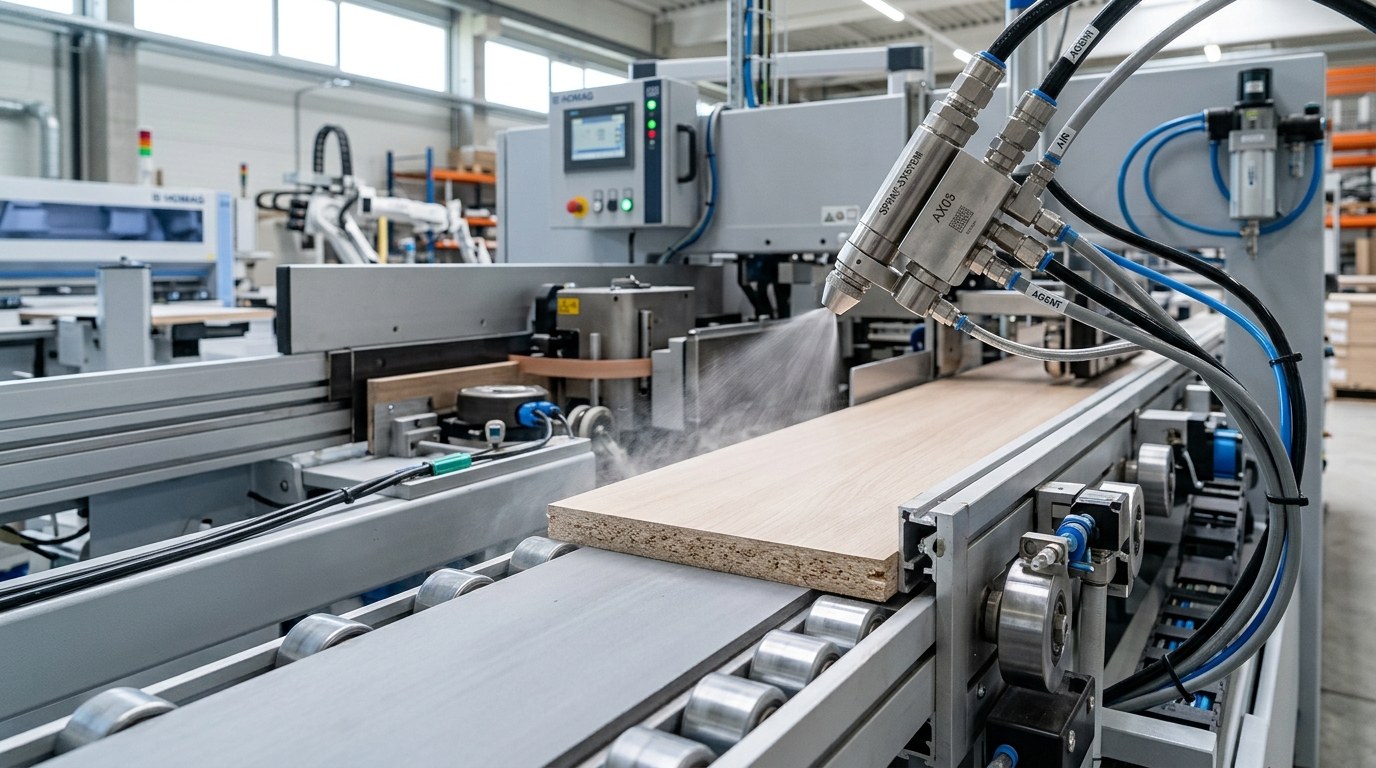
TECHNICAL SELECTION ENGINEControlled bonding flow from material to application point
PROCESS MATCHED4 technologies
EVAPOPURPSA 01 YÜZEY / BANT 02 UYGULAMA NOKTASI 03 FİNİŞ / KONTROL YAPIŞTIRICI AKIŞI • HAT HIZI • SICAKLIK • DAYANIM
TECHNICAL DECISION FLOW
Controlled adhesion from surface to final product
01 Surface02 glue03 line04 Finish

Choosing the right product; It is done by reading the tape material, machine speed, application temperature, open time and targeted strength together.

APPLICATIONcheckpointFinish
01Ask for what you are looking forProduct, process or technical problem
02Compare technologyDifferences between EVA, PO, PUR and PSA
03Jump to the right sourceProduct, TDS, SDS and quote link
Application and selection guide

How do you choose EVA, PO, PUR and PSA hot melt adhesives?

Selection of hot melt adhesive is not made only based on product family. Surface type, edge band, line speed, application temperature, expected strength, cleaning method and production target should be evaluated together. The following guide helps you find the right starting point by simplifying technical terms.

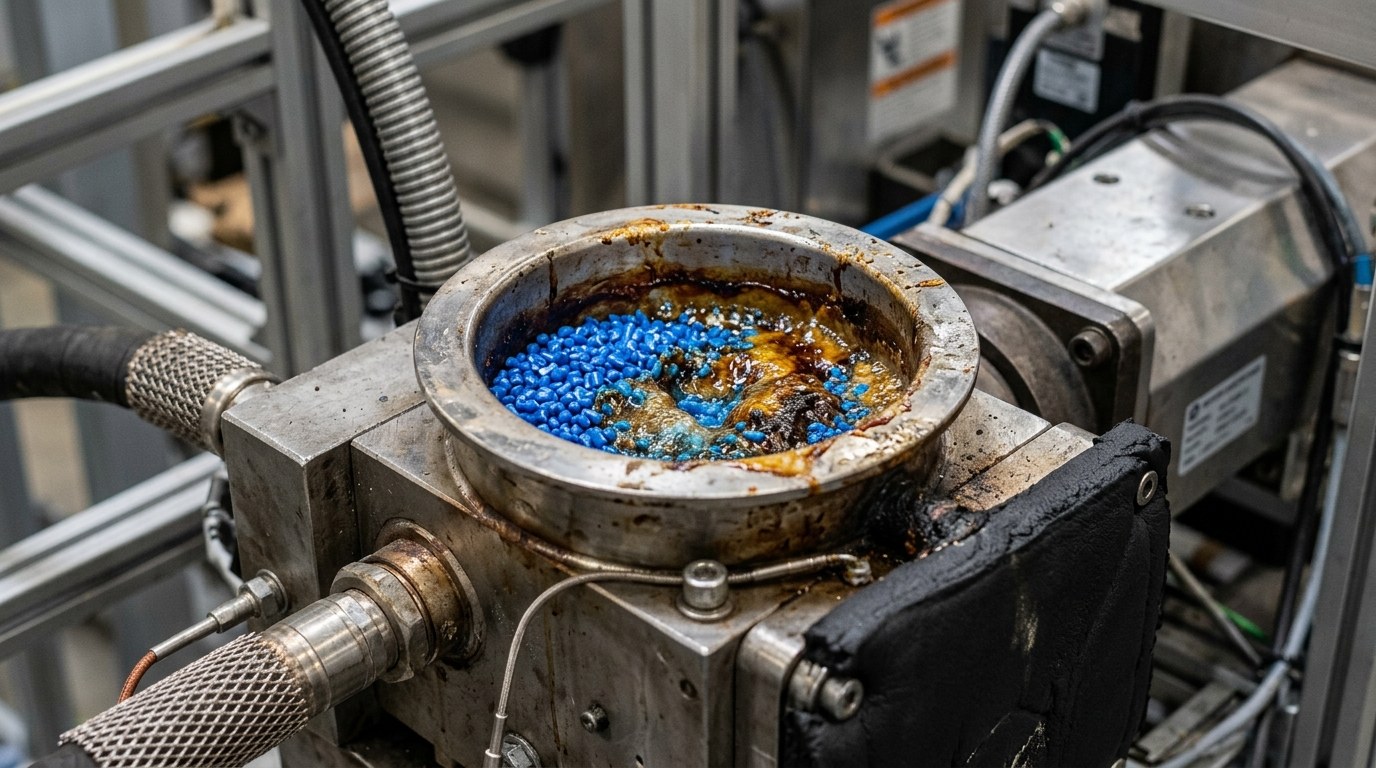
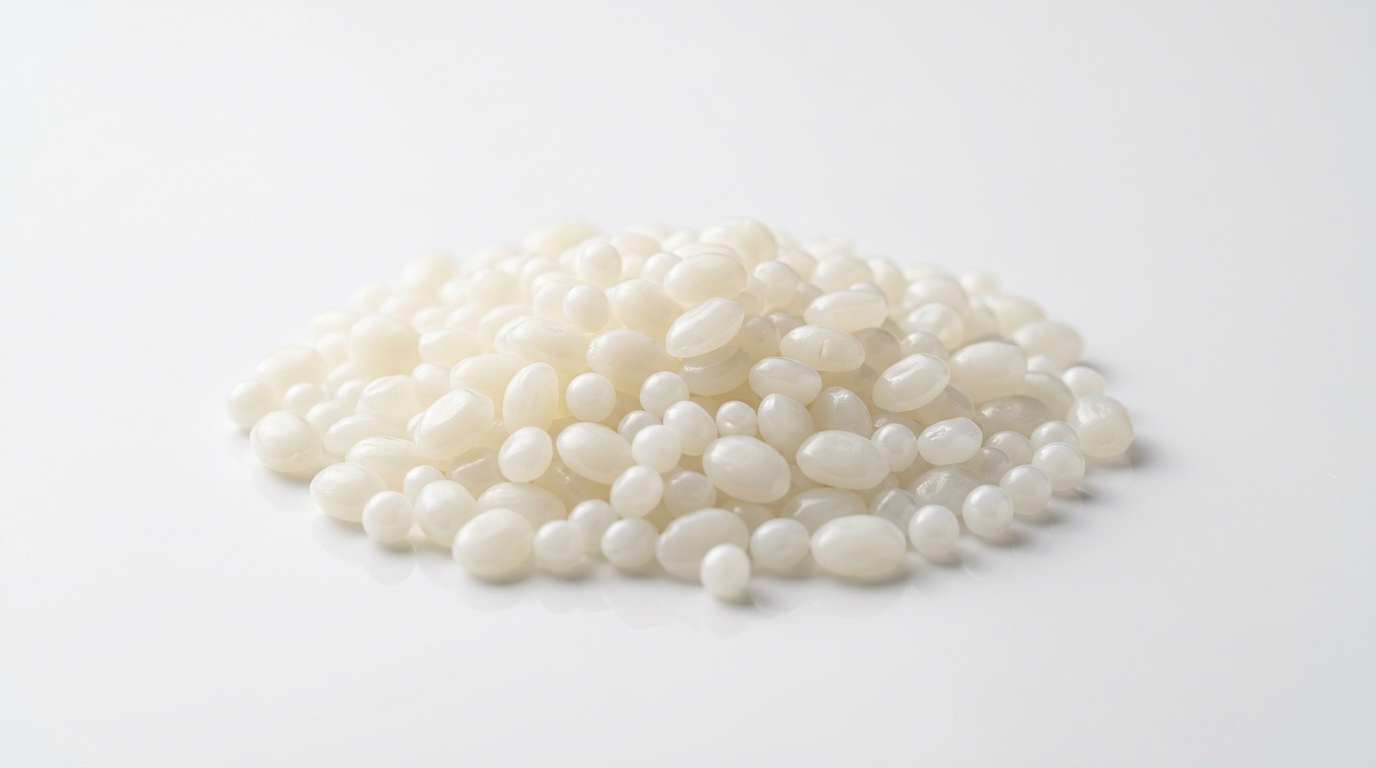
EVA hot melt yapıştırıcı stüdyo ürün fotoğrafı
Granül Form
EVA HOT MELT
190°C – 210°C Fast initial hold Genel Amaçlı Nem Dayanımı: ⭐⭐⭐

EVA based hot melt adhesives

EVA is a solvent-free thermoplastic hot melt technology that becomes fluid when heated and creates rapid initial adhesion when cooled. Edge banding is considered an economical and practical solution in packaging, general assembly and furniture production.

When is it preferred?
  • PVC, ABS, melamine and wood based edge banding.
  • In jobs where moderate heat and moisture resistance is sufficient.
  • On lines that require fast commissioning and easy process management.
  • In mass production where economic product cost is important.
Things to check
  • Tank and nozzle temperature should be adjusted according to the product TDS value.
  • Surface cleanliness, belt tension and printing pressure should be checked.
  • If there is high humidity, outdoor environment and constant heat load, comparison with PUR should be made.
  • Color, viscosity and open time changes should be recorded.
Practical choice sentence: If an economical, fast and general-purpose edge banding solution is sought, start with EVA; however, the final selection is verified by actual surface and process testing.
Check out EVA products and technical solutions
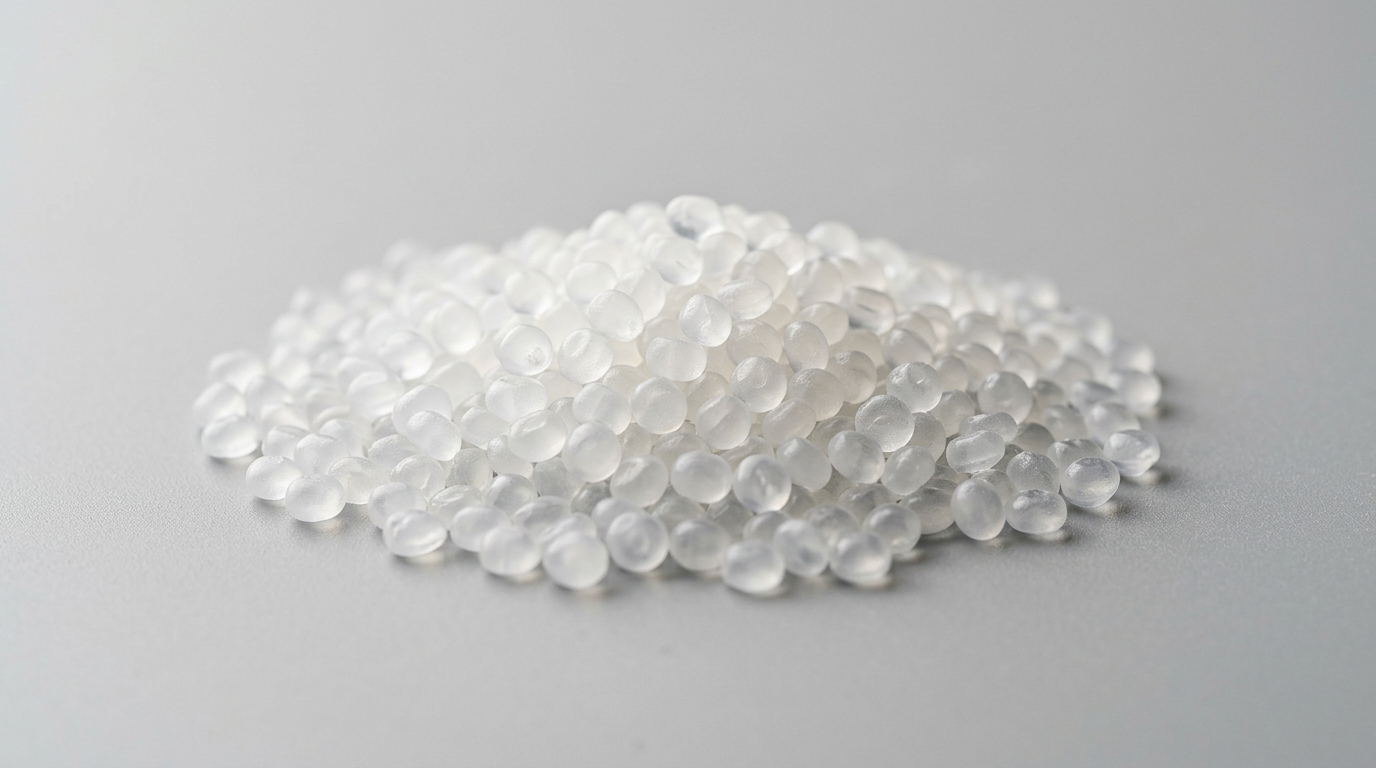
PO poliolefin hot melt yapıştırıcı stüdyo ürün fotoğrafı
Poliolefin Granül
PO HOT MELT
160°C – 180°C Temiz Proses Yüksek Isı Kararlılığı Nem Dayanımı: ⭐⭐⭐⭐

PO based hot melt adhesives

PO is a family of polyolefin based hot melt adhesives. It stands out with clean operation, heat stability, flexibility and process stability in high-speed lines. In packaging, lamination, film and certain industrial assembly applications, surface, speed and heat balance are evaluated together.

When is it preferred?
  • When clean and stable application is expected at a high production rate.
  • In film, cardboard, packaging and lamination processes.
  • In products where flexibility and stable behavior under heat are important.
  • When a more controlled process is required from EVA on certain surfaces.
Things to check
  • Surface finish, energy level and adhesion surface should be verified.
  • Open time and line speed should be evaluated together.
  • Color, odor and thermal stability should be monitored as the application temperature increases.
  • In packaging or film application, the end use condition should be tested.
Practical choice sentence: In a fast and clean packaging or laminating line, PO is a strong candidate in terms of heat stability and process control.
Review PO applications and suitable product lines
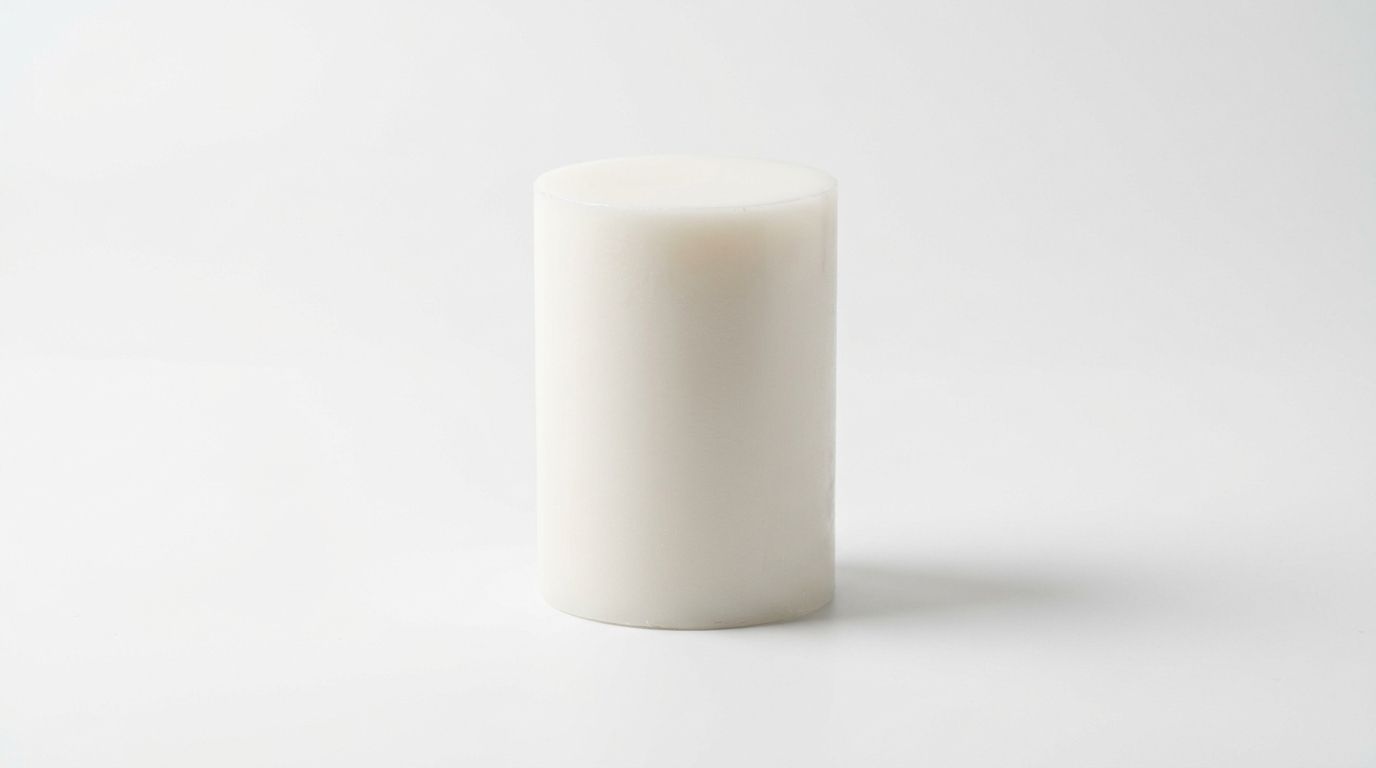
PUR reaktif poliüretan hot melt yapıştırıcı stüdyo ürün fotoğrafı
Reaktif Kartuş / Blok
PUR REAGENT HOT MELT
110°C – 130°C Nemle Reaktif Kürlenme Premium Dayanım Nem Dayanımı: ⭐⭐⭐⭐⭐

PUR reactive hot melt adhesives

PUR reactive hot melt products form the initial adhesion upon cooling and increase their final strength by reacting with ambient humidity after application. It stands out in profile coating, lamination and premium furniture applications where water, humidity, temperature, chemical effects and long-term performance are critical.

When is it preferred?
  • When high humidity and temperature resistance is expected.
  • On difficult surfaces, profiles and premium furniture components.
  • When long-term strength and low adhesion marks are desired.
  • When thin adhesion line and high surface quality are targeted.
Things to check
  • The product should be protected from moisture and should be used according to TDS after opening the packaging.
  • Machine, tank, hose and nozzle cleaning should be done in accordance with the product change procedure.
  • Line stops and the amount of open product should be recorded.
  • The safety data sheet and manufacturer's application conditions should be taken as basis.
Practical choice sentence: If strength, humidity and temperature performance are priorities, PUR reactive hot melt should be evaluated; A final selection should not be made before machine compatibility and application testing are completed.
Check out PUR products and application information
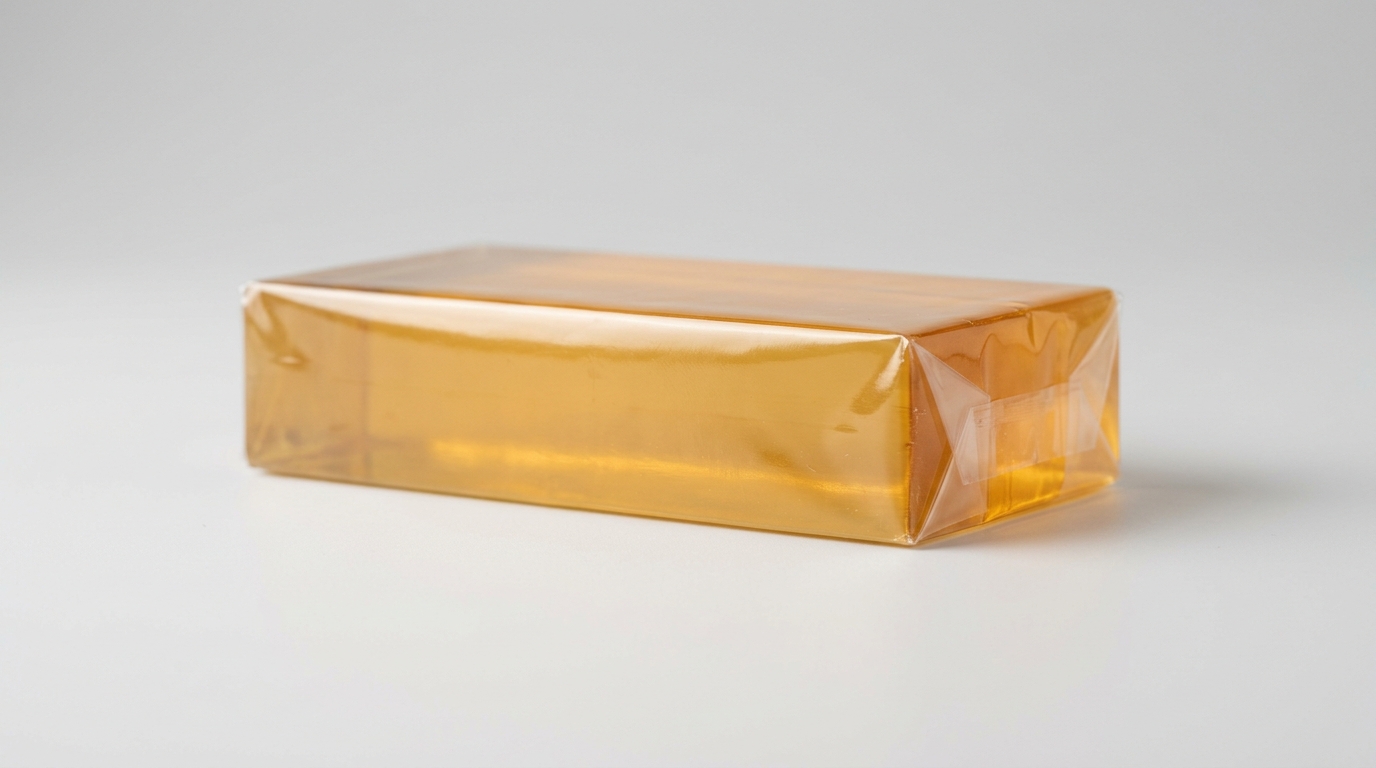
PSA basınca duyarlı hot melt yapıştırıcı stüdyo ürün fotoğrafı
Amber Sentetik Blok
PSA HOT MELT
150°C – 170°C Basınca Duyarlı Kalıcı Yapışkanlık Nem Dayanımı: ⭐⭐⭐

PSA pressure sensitive hot melt adhesives

PSA hot melt adhesives are special products that retain their adhesion in contact with the surface and under pressure even after cooling. Initial adhesion, peel resistance and surface compatibility are considered together in label, tape, film, bookbinding and some flexible material applications.

When is it preferred?
  • In label and tape applications that require fast adhesion under pressure.
  • In products where adhesion is desired to be maintained after application.
  • When controlled peel performance is required on flexible films and surfaces.
  • In processes that require rapid application and repositioning.
Things to check
  • Surface energy, dust, oil and plasticizer effects should be examined.
  • The applied pressure, contact time and surface temperature should be recorded.
  • PSA alone may not be suitable for jobs requiring a permanent structural connection.
  • The desired peel and shear strength must be tested on the real material.
Practical choice sentence: If instant adhesion with pressure and controlled adhesion are required, PSA can be evaluated; final selection should be justified by surface energy and usage conditions.
Get technical guidance for PSA products
Quick Decision Matrix

Which hot melt technology is closest to your application?

This table is for preliminary selection. The product code, application temperature and final suitability must be confirmed against the current TDS and a real production sample.

TechnologyPrimary needCommon applicationsChecks during selection
EVAEconomical and fast general purpose bondingEdge banding, packaging, general assemblyTemperature, humidity, surface and line speed
POClean process and high speed stabilityFilm, cardboard, packaging, laminationOpen time, coating, heat and flexibility
PURHigh ultimate strength and harsh conditionsProfile covering, lamination, premium furnitureMoisture management, machine cleaning, curing
PSAInstant and continuous adhesion with pressureLabel, tape, film, bookbindingSurface energy, pressure, peeling and shear
Process Control

First checks for adhesive problems

If the edge band is opening

Surface cleanliness, adhesive temperature, printing pressure, tape tension and surface compatibility of the product should be checked together.

If the adhesive is stringing

Compliance of nozzle temperature, viscosity, open time, application amount and line speed with product TDS values should be examined.

If residue forms on the surface

Application amount, pressure setting, overflow points and use of the appropriate Riepe process chemical at the correct machine point should be evaluated.

If bond strength decreases over time

Humidity, temperature, surface preparation, storage, curing time and chemical effects under actual use conditions should be retested.

Technical Q&A

Comprehensive questions about choosing hot melt adhesives

The answers below provide preliminary technical guidance. Current technical documentation and sample testing should be evaluated together for product code and application decision.

Should I choose EVA or PUR?

EVA is an economical solution with quick initial bonding. PUR is preferred when moisture, temperature, chemical exposure and long-term durability are more critical. Share the edge band, surface, line speed and end-use conditions with Koçak Endüstri Industry technical support for the right product family.

Which hot melt is suitable for edge banding?

For PVC, ABS, melamine or wood-based edge bands, assess the band material, panel surface, machine type, application temperature and required durability together. EVA may suit standard series production, while PUR can be considered when higher durability and a thinner bond line are required.

Which production lines use PO hot melt?

PO hot melt products are used on high-speed or clean-process lines such as film, carton, packaging and lamination. Product selection should not be based on technology alone; open time, surface coating, application temperature and line speed must also be checked.

Is PSA hot melt suitable for permanent bonding?

PSA products work well for labels, tapes and films that require pressure adhesion and controlled tack. For bonds requiring high structural strength, continuous load resistance or demanding environmental performance, PUR or another application-specific technology may be more suitable.

Why does the adhesive separate from the surface?

Insufficient surface cleaning, incorrect temperature, low pressure, an unsuitable product-surface match, line speed exceeding open time or poor storage conditions can cause separation. Inspect the failure surface and process parameters together to identify the cause.

How is the application temperature determined?

Set the application temperature according to the range in the current product TDS. Check temperature differences between the tank, hose and nozzle together with viscosity, flow, surface wetting and thermal history.

Why is machine cleaning important when using PUR hot melt?

Because reactive PUR products can cure with ambient moisture, they may harden and clog equipment. Follow the manufacturer procedure together with the suitable cleaning product, safety data sheet and planned maintenance steps.

What do Riepe chemicals do in an edge banding machine?

Riepe process chemicals help maintain surface quality and control adhesive residue at release, cooling, lubrication and cleaning points. Evaluate the application conditions to select the right product, machine point and dosage.

What information is needed for technical product selection?

Share the band and panel materials, machine brand and model, line speed, application temperature, current adhesive, required durability, problem area, annual consumption and TDS information. These details improve the accuracy of the product code recommendation.

What is the difference between TDS and SDS?

A TDS explains a product technical properties, application range and performance parameters. An SDS covers safe use, hazards, storage, transport and emergency information. Review both documents before using the product.

QUICK TECHNICAL ANSWERS

Frequently asked questions about adhesive selection

Enter a search term or product code. Review answers together with technology, brand, application and technical document links.

262 Showing question
01What is hot melt adhesive?

Hot melt adhesive is a solvent-free industrial adhesive that is solid at room temperature and applied by melting at a controlled temperature. It creates rapid initial adhesion upon cooling; Technology families such as EVA, PO, PUR and PSA are evaluated according to surface, line speed, strength and usage conditions.

02What information is needed when choosing an industrial adhesive?

For the correct selection, the surfaces to be joined, tape or panel material, machine type, line speed, application temperature, open time, environmental resistance and appearance expectation should be examined together. This information narrows down the product family and determines the scope of technical testing before mass production.

03What do open time and uptime mean?

Open time is the period of time that can be used to create an effective bond with the opposing surface after the adhesive has been applied to the surface. Line speed, surface temperature, adhesive weight and environmental conditions affect this range; For the exact value, the current technical sheet should be taken as basis.

04Why is adhesive viscosity important?

Viscosity affects the adhesive's resistance to flow and how it will transfer from the equipment to the surface. Too high or too low viscosity; It may cause problems on dosage, wetting, surface coating, threading and machine stability.

05What is the difference between initial tack and ultimate strength?

Initial hold refers to the retention of parts without separation as they leave the production line. Ultimate strength is the performance achieved by the adhesive after cooling, drying or chemical curing is completed; These two values ​​are not the same and the usage period of the product should be planned accordingly.

06Why is surface preparation important in adhesive?

Oil, dust, moisture, mold release agent and loose particles can weaken adhesion by reducing the actual contact area. Product comparison made without ensuring surface cleanliness, appropriate roughness, primer if necessary and correct waiting time can be misleading.

07Why should the storage conditions of adhesive products be checked?

Temperature, humidity, direct sun, open packaging and product waiting time may affect the workability of the adhesive. Especially in systems that react with PUR and moisture, packaging management is a critical process step as much as product performance.

08What is the difference between EVA hot melt and PUR hot melt?

EVA hot melt mostly forms a fast bond with cooling and offers economical and practical production solutions. PUR hot melt, on the other hand, cures with ambient humidity after the first bond and aims for higher humidity, heat and chemical resistance; The selection should be made according to the environmental and process conditions in which the product will be used.

09In which applications is PO hot melt used?

PO based hot melt adhesives; It is evaluated in production lines where high-speed packaging, lamination and clean process behavior are important. Heat resistance, flexibility, open time, surface compatibility and application temperature should be compared with the product technical sheet.

10What is PSA hot melt and where is it used?

PSA is a pressure sensitive adhesive technology. It is used to provide pressure adhesion to the surface in labels, tapes, films, graphic applications, bookbinding and some special lamination processes; Peeling, sliding, surface energy and permanent adhesion should be evaluated together.

11Which type of hot melt is more resistant to moisture?

In general, PUR reactive hot melt stands out in applications where higher water and moisture resistance is targeted compared to EVA hot melt products, due to its moisture-curing structure. But real performance; The product code must be verified with the surface, application conditions and curing time.

12What advantages does EVA hot melt offer?

EVA hot melt; It is frequently used with its fast initial adhesion, easy process management, practical operation in automatic machines and economical cost advantages. In edge banding, packaging, furniture, bookbinding and general assembly applications, the tape must be selected in conjunction with the surface and line conditions.

13Why is PUR hot melt preferred in premium applications?

PUR hot melt can cure with moisture after the first bond and reach a more durable structure. It can provide a technical advantage in profile coating, lamination and premium edge banding processes where moisture, heat, chemical contact and long-term performance expectations are high.

14Can EVA and PUR be used together in the same application?

EVA and PUR should not be considered the same product; The equipment, process temperature, cleaning procedure and curing behavior are different. Before changing the technology of a line, the machine manufacturer, product technical sheet and application test should be examined together, and systems should not be mixed randomly.

15Which glue to choose for edge banding machine?

Tape material, panel, machine type, line speed, application temperature, appearance expectation and moisture resistance are evaluated together. EVA can be a practical and economical start; Technical evaluation should be made for PUR reactive hot melt with high strength, thin bond line or difficult environmental conditions.

16Which adhesive is suitable for PVC and ABS edgebandings?

Product suitable for PVC and ABS edge bands; The surface energy of the tape is determined by the back surface coating, panel material, line speed and application temperature. Instead of making a decision based on the product name, small-scale application testing and current TDS comparison should be made.

17Why does the glue overflow on the edge band?

Excess weight, high temperature, wrong viscosity, low pressure setting, band and panel incompatibility or low line speed compared to the product open time may cause overflow. Before changing the settings, temperature, dosage, surface and pressure points must be checked sequentially.

18Why does the edge banding open or separate from the edge?

Insufficient surface wetting, low or unstable temperature, low grammage, line speed, unsuitable belt back surface and lack of pressing are among the main reasons. While the problem is being solved, the failure surface should be examined and the process parameters should be verified before product change.

19Why do glue marks and shine occur on the edge band?

Excessive transfer of glue to the surface, not clean edge band surface, contamination of finish brushes or unsuitable process chemicals may cause glue marks and shine. Riepe or Mayer cleaning and processing agents should be evaluated with the correct application point and dosage.

20How to determine the temperature on an edge banding machine?

Heat; It is determined by evaluating the product technical sheet, machine manufacturer's limits, line speed, surface temperature, ambient conditions and viscosity of the adhesive. Tank, hose, nozzle and application area should not be considered the same value; current TDS should be taken as basis.

21Why is cleaning required after PUR edge banding?

Since PUR hot melt cures with moisture, the product remaining in the equipment may react over time and form a hard residue. Scheduled cleaning helps maintain the stability of nozzles, tank and hoses; The washing agent to be used should be selected in accordance with the product and equipment compatibility.

22Why is adhesive weight important in the edge banding process?

Low grammage may not create sufficient contact and strength; High grammage may cause overflow, marks, cost and finish problems. Appropriate grammage; The adhesive must be determined by application testing along with the tape backing, panel, line speed and surface geometry.

23What are Riepe edge banding chemicals?

Riepe process chemicals are special process liquids that help reduce adhesive residues on edge banding lines, protect the surface, and regulate the cooling and finishing stages. Product group; It is selected according to different functions such as separator, cooler, lubricator and cleaner.

24What is the difference between Riepe inlet and outlet fluids?

The functions of the chemicals used at the entry, middle and exit points are not the same. The aim may be to reduce adhesive contamination at the entrance, cooling or shifting within the process, and at the exit to reduce loose residues and surface marks before finishing; The right product is determined by machine point and application testing.

25What does Riepe release agent do?

Release agent is a release process chemical that helps reduce adhesive adhesion to unwanted surfaces or machine parts. Excessive application should not be made without verifying the point of use, dosage and surface compatibility; The current product documentation and machine instructions must be followed.

26When to use Riepe coolant agent?

Coolant agent can be considered to help control the temperature effect and static charge on the surface in the bonding line or finish area. Product selection; It should be done together with the tape, panel, machine point, spray pattern and targeted surface appearance.

27What is Riepe lubricant agent used for?

Lubricant agent is a lubricating process chemical that helps reduce friction and surface marks at certain process points. Since excessive dosage may leave an unwanted film on the surface, the application amount, brush or roller condition and finish quality should be controlled together.

28What residues does Riepe cleaning agent clean?

Cleaning agent helps remove loose adhesive, release agent or process residues from the surface during the edge banding and finishing process. No single product should be considered suitable for the entire line without verifying color, residue type, machine surface, polishing equipment and application point.

29Do Riepe chemicals reduce the need for manual cleaning?

Process chemicals used at the correct dosage and at the correct machine point can help reduce the need for manual intervention by reducing surface residue and finish problems. This result is not automatically guaranteed; machine setting, product, tape, adhesive and maintenance plan should be evaluated together.

30In which sectors are Jowat hot melt products used?

Jowat hot melt products; It is evaluated according to application in furniture, edge banding, packaging, bookbinding, lamination, textile, automotive and different industrial assembly processes. When selecting a product family, surface, line speed, temperature, open time and durability expectations should be examined together.

31In which applications is Jowat 280.30 used?

Jowatherm 280.30/280.31 product family is a hot melt group whose technical product information and application conditions must be evaluated through the current TDS. For correct product selection for edge banding, assembly and related surfaces, band material, machine and process parameters should be communicated to Koçak Endüstri Industry technical team.

32What is Jowatherm PUR 605.62 used for?

Jowatherm PUR 605.62 is a product under technical evaluation in the PUR reactive hot melt family. In profile coating and similar applications, surface, tape, line speed, application temperature and moisture curing conditions must be verified with current TDS and application testing.

33How to find TDS by Jowat product code?

Product code; It can be searched in the technical catalog with semicolons, commas, spaces or some spelling variations. In the matching record, the Turkish technical sheet, the existing original document and the transition to the product detail are checked; Verifying the product code is important for document access.

34What is the difference between Jowat TDS and SDS?

TDS is the technical data sheet describing the application and performance parameters of the product. SDS is a safety data sheet containing chemical hazards, safe use, storage, transportation and emergency information; For the production decision, both should be examined together for different purposes.

35Why is equipment cleaning important for Jowat PUR products?

Because PUR products react with moisture, residue left on the equipment may cure over time, increasing the risk of clogging and downtime. Product replacement, planned maintenance and cleaning agent selection; The machine should be managed with temperature and manufacturer's instructions.

36What technical information should be shared for Jowat product selection?

Tape or surface material, panel, machine model, line speed, current glue, application temperature, problem definition, expected strength and, if possible, sample information should be shared. This data provides a more reliable technical assessment than choosing from the product name alone.

37What are Mayer ProLine products?

Mayer ProLine is a series of process chemicals that address the separation, cooling, lubrication and cleaning needs of edge banding machine processes with separate product codes. Products should not be automatically considered equivalent to Riepe; Application testing should be evaluated with current technical documentation and machine compatibility.

38What does Mayer ProLine Release R-101 do?

Mayer ProLine Release R-101 is a product evaluated for separator process support in the edge banding line. It should not be used in mass production without determining the point of use, dosage, surface compatibility and existing adhesive system; technical verification and application testing should be performed.

39What is Mayer ProLine Cool A-202?

Mayer ProLine Cool A-202 is a product that has received technical evaluation for the cooling and antistatic needs of the process. Belt and surface material need to be tested along with machine point, spray amount and finish expectation.

40For what purpose is Mayer ProLine Flow L-303 used?

Mayer ProLine Flow L-303 is evaluated for controlled lubrication and slide support in the edge banding and finishing process. Dosage and application point should be determined by technical testing, as excessive application may form a film or scar on the surface.

41What is Mayer ProLine Clean C-404?

Mayer ProLine Clean C-404 is used for cleaning support on machine, roller and process surfaces. The residue to be cleaned should not be used directly instead of a different chemical without examining the machine material, safety conditions and application temperature.

42How to choose Mayer edgebanding cleaning agents?

The needs at the entry, process, finishing and exit points may not be the same. Purpose of cleaning, separation, cooling or lubrication; A technical evaluation must be made for the correct Mayer ProLine product by determining the glue, tape, machine, brush and surface appearance used.

43Which adhesive is used in furniture production?

Different technology families can be used for edge banding, profile covering, lamination, assembly and panel joining in furniture production. EVA can stand out in practical and economical processes, while PUR can stand out in higher strength expectations; A single product recommendation should not be made without surface and machine data.

44Which hot melt to choose in packaging production?

Adhesive selection in packaging is made based on carton type, line speed, sealing type, open time, temperature, food contact requirements and end-use conditions. EVA or PO based products can be evaluated in different packaging processes; Product suitability must be verified by technical documentation and testing.

45Which adhesives are used in textile and nonwoven applications?

In textile and nonwoven processes, hot melt, dispersion, PSA or reactive systems can be selected according to the needs of lamination, film bonding, edge fixing and composite structure formation. Flexibility, washing resistance, open time, film thickness and surface movement should be evaluated together.

46Which adhesive to choose in the lamination process?

The choice of lamination is determined by the material pair, film or foil, line speed, application temperature, flexibility, final strength and surface appearance. Which of the hot melt, PUR, dispersion or solvent-based systems is suitable should be decided by layer structure and process tests.

47What adhesive properties are important in filter production?

In filter production, the flow behavior of the adhesive, fast adhesion, temperature resistance, chemical compatibility, odor and application geometry are important. Product selection should be made together with filter material, pleat structure, line speed, bonding line and end-use conditions.

48What to look for when choosing adhesives for automotive applications?

In automotive applications, temperature cycling, vibration, chemical contact, aging, surface preparation and safety requirements are evaluated together. Curing profile, connection geometry and repeatability on the production line are as important as adhesive technology.

49What glue is used for printing and bookbinding?

In bookbinding, paper weight, cover material, line speed, book spine structure, opening strength and appearance expectation are taken into consideration. Hot melt and dispersion systems can be used in different book, brochure, cardboard and special binding applications.

50Why doesn't the glue stick well enough?

Surface contamination, low or unstable temperature, incorrect weight, line speed not complying with open time, belt back surface and material incompatibility are among the main reasons. First, breaking surface, temperature, dosage, pressure and material information should be checked; Product replacement should be the last step.

51Why does the machine nozzle get clogged?

Carbonaceous residue, prolonged high temperature, product sitting in the equipment, filter or nozzle contamination, and incorrect cleaning procedure can cause clogging. The product technical sheet, equipment manufacturer's instructions and the appropriate washing agent should be evaluated together.

52Why does glue thread?

Threading; It can be related to temperature, viscosity, break geometry, nozzle structure, line speed and adhesive open time. Instead of increasing the temperature randomly, product TDS value, equipment setting and application weight should be examined in a controlled manner.

53Why does sediment form in the glue tank?

Long periods of time at high temperatures, contact with air or moisture, mixing of different products, inadequate filtration and carbonization can cause sediment in the tank. Downtime plan, appropriate temperature, product change procedure and system cleaning should be linked to the regular maintenance plan.

54How to reduce manual cleaning on edge banding machine?

The need for manual intervention can be reduced when regular maintenance, correct glue weight, correct temperature, finish brush cleaning and process chemicals suitable for the machine point are used together. Riepe or Mayer products must be tested for compatibility with the machine and adhesive system.

55When should adhesive equipment be cleaned?

Cleaning frequency is determined by product technology, operating time, temperature, downtimes and residue level. PUR systems require planned inspection and a proper cleaning procedure when long downtimes, product changeovers, and finish quality begin to deteriorate.

56What to check if the glue does not spread over the surface?

Surface energy, surface cleanliness, adhesive temperature, viscosity, roller or nozzle condition, weight and pressure should be checked. If the material surface has changed, the same product setting should not be maintained; An application test must be performed for the new surface.

57What is TDS and what information does it contain?

TDS is the technical data sheet of the product; typically includes information such as area of ​​use, application temperature, viscosity, open time, storage, surface compatibility and process recommendations. The TDS of the current product code must always be used for the production setting.

58What is SDS and why is it needed?

The SDS describes the chemical's hazards, safe use, storage and handling conditions, personal protective equipment, and emergency information. TDS focuses on application performance, while SDS focuses on safe operation and risk management.

59How to find Turkish TDS by product code?

You can write the product code with dots, commas or without spaces. Matching product records, Turkish technical sheets and existing original document links are checked in Koçak Endüstri Industry technical search and brand technical centers; Records that cannot be found can be forwarded to the technical team.

60What information should be sent to receive a technical quote?

Product or application name, surface and tape material, machine model, line speed, temperature, current adhesive, problem encountered, monthly consumption and requested packaging information should be shared. Detailed information provides more accurate product family and application guidance.

61Why should sample or application testing be done?

The same product may give different results under different surface, machine and line conditions. Sample testing before mass production; It helps to verify adhesion, appearance, weight, temperature, speed, cleanliness and strength criteria under real process conditions.

62How does Koçak Endüstri Industry provide technical support?

Koçak Endüstri Industry Industry; Provides product, application, TDS and quote guidance for Jowat adhesives, Riepe process chemicals, Mayer products and general adhesive technologies. For the most accurate evaluation, it is recommended to establish technical communication with surface, machine, line and problem information.

63What is edgeband glue cleaner?

Edgeband glue cleaners are specialized chemicals that help reduce adhesive or process residue left on panels, tapes and finishing equipment. Product; It should be selected according to the chemistry of the residue, machine surface, brush or roller structure and point of use.

64What is the use of edge banding machine inlet cleaning liquid?

Process fluids in the entry area can help reduce adhesive transfer to unwanted surfaces and help the panel move down the line in a more controlled manner. Input product selection; The glue used must be technically verified along with the panel, tape and machine geometry.

65What is the use of edge banding machine exit cleaning liquid?

Exit cleaning fluids help reduce loose glue marks that may remain on the surface after bonding and finishing. The amount of product should not be increased without considering the exit point, polishing brush, cloth or felt structure and panel surface together.

66When to use a manual edge band cleaner?

Manual cleaners can be used in small production runs, during machine setup, maintenance or on surfaces that automatic treatment cannot reach. The cleaning cloth must be compatible with the surface and coating; A controlled trial should first be conducted in a small, invisible area.

67How to clean EVA glue residue?

To clean EVA residue, the temperature of the residue, surface type, equipment material and compatibility of the cleaning product used are examined together. The product documentation and small application test should be followed as excessive temperature, harsh scraping or unsuitable solvent may damage the surface.

68Why is PUR glue residue removed more gently?

Since PUR hot melt can cure by reacting with moisture, the residue left in the equipment may turn into a harder and more difficult to remove structure. Cleaning time, washing agent used, equipment temperature and safety procedure should be governed by manufacturer know-how.

69Does edge band cleaning liquid leave marks on the surface?

Mark formation may be related to dosage, surface compatibility, drying or evaporation, cloth or brush cleaning, and previous residues on the surface rather than the product itself. Before increasing the dosage, the application point and the film remaining on the surface should be checked.

70How do Riepe and Mayer cleaning agents compare?

Comparison should not be made based solely on product names or colors. Functional suitability should be determined by examining the adhesive type, machine point, residue, surface, dosage, safety certificate and application test together.

71How to verify that a product is equivalent?

The equivalent evaluation is not made only by looking at the same purpose of use; chemical structure, application point, surface compatibility, dosage, machine system, safety document and actual process result are compared. The claim of one-to-one equivalence can only be supported by technical data and practical testing.

72Is brand or technology important in product selection?

The brand is an important reference for manufacturer quality and technical documentation; However, technology, surface, application and process conditions are decisive in making the right choice. Different products from the same brand may produce completely different results on different lines or surfaces.

73How does surface energy affect adhesive selection?

Surface energy is one of the main factors affecting the adhesive's spread and contact with the surface. Low surface energy plastics may require a primer, surface activation, or a different adhesive technology; The decision must be verified by application testing.

74Why is line speed important in adhesive selection?

Line speed directly affects the open time and cooling or curing behavior the adhesive has between application and bonding. As the speed increases, the wetting, initial adhesion and finishing window of the product should be re-evaluated.

75Does the product setting change when the edge band material changes?

PVC, ABS, melamine, wood and different coatings do not have the same surface behavior. When the tape material changes, glue weight, temperature, pressure, speed and, if necessary, product family should be checked again; It should not be assumed that the previous setting is automatically valid.

76Is machine cleaning required when changing adhesives?

When switching between different chemical families or different viscosity profiles, remaining product in the tank, hose, filter and nozzle can affect the new adhesive. The product manufacturer's replacement and cleaning procedure should be followed, and the risk of mixture and incompatibility should be controlled.

77Why are product packaging and quantity important in selection?

Packaging is evaluated together with consumption rate, storage capacity, sensitivity of the product to moisture or air, and the feeding system of the line. Larger packaging is not always more efficient; Safe use of the product and waiting time after opening should also be taken into account.

78How to prepare sample information for product selection?

The panel or surface used in the sample, tape, adhesive, machine settings, line speed, temperature, weight and expected result should be recorded. If the photograph, rupture surface, residue image and existing technical document are also added, the technical evaluation will be faster and comparable.

79What safety information should be checked when working with adhesives?

Hazard classes, ventilation, personal protective equipment, storage, spillage and first aid information in the product's SDS document should be transferred to the working procedure. In hot applied systems, burn risk and hot equipment management should be separately addressed.

80Why is ventilation necessary for solvent-based adhesives?

Solvent vapors may accumulate in the working environment and pose a health, fire or explosion risk depending on the product safety class. Proper ventilation, control of spark sources, storage and personal protective equipment should be determined by SDS and occupational safety procedures.

81How is quality control carried out in the adhesive process?

Quality control; It may include visual surface, adhesion or breaking behavior, weight, temperature, line speed, tape opening, trace, overflow and environmental resistance tests when necessary. The control plan should be created according to product TDS, customer requirement and actual usage environment.

82Is sustainable adhesive choice just low emissions?

No. In addition to emissions, energy consumption, product weight, wastage, reprocessing, equipment maintenance, packaging and product life should also be evaluated. Fewer errors and a more stable process can be a significant result, reducing overall resource usage.

83How to calculate the total cost in adhesive selection?

Just the price per kilogram or packaging is not enough. Weight, waste, machine downtime, cleaning, energy, speed, rework, product life and customer return risk should be included in the total cost.

84How to check that technical documentation is up to date?

It should be checked whether the product code, document language, document date, revision number and source belong to the same product. Process adjustments should not be made with documents belonging to old or different product codes; For current TDS and SDS, a technical center or manufacturer source should be used.

85Why should a technical product information be tested before production?

The technical sheet describes general product behavior; actual results depend on surface, machine, setting, environment, speed and operator practice. Controlled testing before mass production is therefore the fundamental step in customer-specific performance and risk assessment.

86What is hot melt glue and in which production lines is it used?

Hot melt glue is a 100 percent solid adhesive system that does not contain solvents and is made fluid by heating. It creates rapid initial adhesion upon cooling. EVA, PO, PUR and PSA families respond to different surface, line speed, strength and usage conditions. Depending on the application, it is necessary to examine product groups and technical documents together.

87What is the main difference between EVA hot melt and PUR hot melt?

EVA hot melt is an economical, fast and practical solution for many standard edge banding applications. Since PUR hot melt cures by reacting with moisture, its water, heat, chemical and long-term resistance may be higher. Vote; surface, belt material, line speed, application temperature, cleaning method and end-use conditions. You can compare product families in the Jowat products section.

88In what cases is PO hot melt preferred over EVA?

PO-based hot melt systems are especially used in packaging and high-speed production lines where clean operation, heat stability and process continuity are important. Adhesion, open time, viscosity and temperature behavior vary depending on the formulation. The final selection should be tested according to packaging surface, machine chamber, application temperature and production speed.

89For which applications is PSA hot melt suitable?

PSA is a pressure sensitive hot melt system and adheres when pressure is applied. It is used in labels, tapes, films, self-adhesive surfaces, bookbinding and special lamination applications. In connections requiring structural and high temperature resistance, EVA, PO, PUR or another technology should be considered instead of PSA.

90How to choose the right glue for edge banding?

For the right choice, tape material, panel surface, line speed, application temperature, glue chamber, expected appearance, moisture and heat resistance are examined together. First the technology family is determined, then the product code and machine setting are selected. Koçak Endüstri Industry provides technical guidance with application information.

91Can the same hot melt be used on PVC and ABS edgebandings?

Not all PVC and ABS tapes have the same surface energy, back surface treatment or coating structure. For this reason, the same glue should not be expected to give the same result on every tape. Adhesion, surface wetting, glue line, peel strength and appearance should be evaluated by controlled sample.

92How to reduce the risk of cracking and breaking in acrylic edge bands?

Cooling, machine pressure, edge geometry, processing temperature and surface cleanliness play critical roles in acrylic tapes. The combination of proper coolant process agent, controlled line setting and correct edge treatment can help reduce the risk of cracking. Machine points and process sequence should be evaluated together as well as chemical change.

93Why is glue temperature important in edge banding machine?

Glue temperature affects viscosity, surface wetting, open time, transfer and film thickness on the edge band. Low temperature can lead to poor wetting and streaking, while high temperature can lead to thermal degradation, discoloration and energy consumption. Current TDS values ​​should be taken as basis for each product.

94What does open time mean in hot melt app?

Open time is the time during which the glue maintains sufficient wetting and adhesion ability for bonding after being applied to the surface. Line speed, glue temperature, surface temperature, ambient temperature, and amount applied change open time. Short open time can be an advantage on fast lines; However, if there is a pressing delay, incompatibility may occur.

95How does glue viscosity affect machine performance?

Viscosity determines the migration behavior of the glue through the pump, hose, nozzle, roller and application head. High viscosity may create insufficient transfer or equipment load; Low viscosity may pose the risk of overflow, flow and uneven film. Viscosity must be evaluated together with the measurement temperature.

96What causes glue overflow in the edge banding machine?

Overflow; It may be caused by excessive glue amount, high temperature, low viscosity, incorrect printing, tape or panel incompatibility, and changes in line speed. Application amount, roller pressure, chamber temperature, scraper setting and belt back surface should be controlled together.

97Why is machine cleanliness more critical when using PUR hot melt?

Since PUR hot melt can cure by reacting with moisture, the exposed product may harden over time and form deposits on the equipment. A cleaning plan in accordance with the manufacturer's instructions should be applied for the reservoir, hose, nozzle and application head. The cleaning product must be validated against the PUR system and machine procedure used.

98What do edge banding machine inlet and outlet cleaning fluids do?

Penetrating agents help reduce glue binding to unwanted areas on the surface prior to adhesive application. Starting or finishing agents support the removal of loose residues from the workpiece in polishing and cleaning units. In the Riepe product family, the application point, machine equipment and targeted surface quality should be evaluated together. Go to Riepe chemicals section for detailed options.

99When to use a manual edge band cleaner?

Manual cleaner can be used in small productions, sample preparation, off-machine surface control, during maintenance or on lines without automatic spraying systems. Before application, the chemical resistance of the surface and edge banding should be checked, the manufacturer's instructions should be followed and adequate ventilation should be provided.

100What to consider when choosing a cleaning solvent for an edgebanding machine?

When choosing a solvent, glue chemistry, surface material, paint and plastic resistance, evaporation rate, flammability class, machine manufacturer's restrictions and occupational safety requirements are taken into consideration. Not every solvent is safe on every plastic or coating. First, a test should be performed in a small and invisible area and the current SDS should be examined.

101What is the difference between TDS and SDS?

TDS explains the product's technical specifications, usage area, application temperature, viscosity and process recommendations. The SDS contains chemical hazards, safe use, storage, first aid and transportation information. TDS for product selection and SDS for occupational safety and legal operation should be evaluated together. Guidance can be obtained through the Technical Information Center.

102How can I find the technical data sheet with the product code?

You can search for the product code by product family and code format, such as 280.30, 605.62, 687.40, 930.54 or LP163/93. Also try the simplified version of the code for differences in dashes, periods, slashes, and spaces. If no results are found, get support from the Technical Information Center or Koçak Endüstri Industry technical team.

103How to verify Riepe or Mayer equivalent?

The equivalent evaluation is not made based on the similarity of the product name or color. Application point, chemical family, surface compatibility, machine setting, viscosity, packaging, safety class and actual production result are compared. One-to-one equivalence claims should not be made without obtaining the current TDS/SDS and pilot production testing.

104Why should sample testing be done on edge banding products?

The same product may give different results under different machine, tape, panel, speed and environmental conditions. Sample testing allows to see adhesion, glue line, peel strength, color, gloss, bleed, cleanliness and long-term behavior. Koçak Endüstri Industry evaluates the application information together before the technical offer.

105Should EVA or PUR be chosen for furniture edge banding?

If economy, fast commissioning and standard indoor applications are priorities, EVA; PUR can be considered if high humidity, heat, chemical and long-term resistance is required. The correct choice is verified by the panel-tape combination and production conditions. You can compare relevant families in the Jowat product portfolio.

106Which hot melt properties are important in packaging production?

Fast adhesion, open time, line speed, cardboard or film surface, dosage stability, low threading, clean operation and required heat resistance are highlighted in the packaging. EVA, PO and PSA systems serve different box closing, laminating and labeling processes; The same product should not be used in every package.

107How to choose adhesive in textile and filter applications?

In textile and filter processes, flexibility, porous surface penetration, washing or temperature resistance, odor, color and application method are evaluated together. For filter lamination, nonwoven bonding and technical textile applications, product open time and final film properties can be critical.

108How can I reduce glue consumption and total production cost?

Not only the price per kilogram, but also correct dosage, low wastage, short downtime, clean machine, less rework and energy consumption should be considered. Proper viscosity, correct temperature and controlled application can reduce consumption. The technical team can prepare a proposal that evaluates product and process costs together.

109How should hot melt adhesives be stored?

Products should be stored in their original packaging, in dry, cool conditions, away from direct sunlight and in accordance with the manufacturer's recommendations. In PUR products, moisture contact, waiting time after opening the package and re-closing method are especially important. Current TDS and SDS storage conditions should be taken as basis for each product.

110What occupational safety precautions are required for solvent-based adhesives?

Solvent-based products require ventilation, appropriate gloves and goggles, removal of sparks and flame sources, static electricity control, correct storage and compliance with SDS instructions. Risk assessment should be made according to the evaporation and flammability characteristics of the product in the application area.

111What information should be shared to get a faster technical quote?

A faster preliminary evaluation can be made if the name of the application, machine brand and model, surface and band material, current product code, line speed, operating temperature, monthly consumption, packaging preference and the problem experienced are shared. TDS, SDS, product photo and production sample, if available, strengthen the information. You can proceed to the technical proposal form.

112Why are machine settings rechecked when changing adhesives?

The viscosity, open time, application temperature, heat stability and surface wetting of different products may be different. Therefore, when changing the product, the chamber temperature, dosage, pressure, line speed, cleaning procedure and first piece control must be readjusted. A controlled trial should be conducted before the change is put into mass production.

113What is edge banding primer and what does it do?

Primer is an auxiliary product used to create a more suitable interface between the adhesive and the material, especially on surfaces with low surface energy or difficult to adhere. Need for primer in PVC film, ABS edge banding or special coatings; The tape structure, back surface treatment, adhesive technology and machine process should be evaluated together. The use of primer alone is not a substitute for choosing the right glue; Surface compatibility and drying conditions should be tested before application.

114When is primer used in PVC film and ABS edgebanding?

Liner; It can be evaluated in cases where the surface does not provide sufficient wetting or adhesion with the adhesive, the tape manufacturer recommends a primer, or the peel resistance is insufficient in the application test. Application amount, drying or ventilation time and compatibility of the adhesive to be applied should be checked. To select the product code, tape manufacturer information, machine conditions and current technical data should be examined together.

115What is the difference between water-based dispersion adhesive and hot melt?

Water-based dispersion adhesives contain water as the carrier phase, and bond formation mostly occurs by the removal of water or its absorption by the surface. Hot melt adhesives are solvent-free, 100 percent solid systems; It is applied by heating and creates a rapid initial adhesion upon cooling. Drying time, surface porosity, line speed, application temperature and ultimate strength expectation determine which technology is suitable.

116In which applications is solvent-based adhesive preferred?

Solvent-based adhesives may be considered when rapid wetting, controlled film formation, or special chemical resistance is required on certain surfaces. However, solvent evaporation, ventilation, flammability, surface compatibility, drying time and occupational safety conditions are integral parts of the process. The application decision should be made with product TDS and SDS documents, as well as controlled testing on the real surface.

117Why is hot melt adhesive offered in granule, block or sausage format?

Packaging format; It is selected based on the feeding system, tank capacity, melting method, consumption rate, storage and operator usage rather than the chemical structure of the product. Granule can be advantageous in fast dosing and small feeding systems, while block or sausage format can be advantageous in certain tank and cartridge systems. Different packages in the same technology family should not automatically be considered suitable for the same machine, the manufacturer's instructions should be checked.

118How to determine the grammage of edge banding adhesive?

Grammage; It is determined by the tape back surface, panel, adhesive viscosity, machine roller or application head, line speed and targeted adhesion line. Low grammage may cause gaps and poor adhesion, while high grammage may cause overflow, shine, cost and finish problems. The most accurate setting is found through controlled sample, section and peel evaluation within the product TDS range.

119Why does a gap or bubble form under the edge band?

Gap and bubble; It may occur due to insufficient wetting of the surface, low or unstable temperature, insufficient amount of adhesive, incompatibility on the back surface of the tape, low printing or line speed outside the process window. Panel and band surfaces should be cleaned, the actual temperature of the glue and the contact condition of the pressure rollers should be checked. Why should be verified with the rupture and section image rather than changing a single setting.

120Why is the glue line thick or visible on the edge banding?

Visible glue line; It may increase due to excess weight, incorrect roller adjustment, surface and belt incompatibility, high fluidity, insufficient printing or contamination of the finishing equipment. Product color alone does not determine appearance quality. Weight, temperature, pressure, belt alignment and polishing or cleaning steps should be examined together; Acceptance criteria should be defined based on the customer sample.

121How long does it take for PUR hot melt to cure completely?

It is not correct to give a single general curing time for PUR hot melt. Ultimate performance; Product reactivity varies depending on ambient and surface humidity, temperature, adhesion line thickness, closed or open waiting condition and materials used. Initial adhesion and full curing should be differentiated, and the curing information in the current TDS of the product and the actual production test should be taken as basis.

122What information should be read in the TDS document for adhesive selection?

First of all, the product's technology family, usage area, suitable surfaces, application temperature, viscosity, open time, recommended weight, color and storage conditions should be examined. Curing and equipment cleaning information for PUR products, and safety and ventilation information for solvent based products are also important. Values ​​in TDS are the general technical range; The final decision should be verified with the actual material and production sample.

123What should be done if Turkish TDS or SDS cannot be found?

First, check whether the product code is written correctly, the current revision of the document and different code formats. If there is no Turkish document, the existing original document should be carefully examined for security and technical evaluation, and document and usage guidance should be requested from Koçak Endüstri Industry technical team before application. It is not safe to determine temperature or dosage by assuming there is no technical documentation.

124What information is required when choosing a Jowat adhesive product code?

For product code selection, surface and band material, application, machine type, line speed, temperature, expected moisture and heat resistance, appearance criteria and current process information should be shared. Codes within the same product family may differ in viscosity, color, open time or application area. For this reason, the code should not be selected just by looking at the brand or product family name, but the product TDS and sample result should be evaluated together.

125Does Riepe cleaning fluid completely dissolve adhesive residue?

Riepe cleaning agents help reduce certain edge banding and finish residues; However, the same effect should not be expected for every adhesive, surface and cured residue. The application point of the product on the machine, its dosage, polishing equipment and surface compatibility should be evaluated together. For difficult residues such as cured PUR, results should not be guaranteed without product instructions, safety information and controlled application testing.

126Why are Riepe inlet, middle and outlet products selected differently?

Entry, in-process and exit points on the edge banding line undertake different tasks. Separation or contamination reduction at the entrance, cooling or shifting at the midpoint, and surface cleaning and finish support at the exit can be targeted. It should not be assumed that a product will be used at all points without knowing the machine design, spraying or dosing system, glue technology and surface quality expectations.

127What are Mayer ProLine edge banding machine cleaning agents used for?

Mayer ProLine series; It consists of products positioned according to different process needs such as separation, antistatic cooling, lubrication and cleaning. These products can be considered as functional alternatives to Riepe systems; however, exact equivalence must be verified by correct machine point, dosage, surface compatibility, current TDS/SDS and production testing. The type of machine and residue used should be shared before product selection.

128Is EVA or PO preferred for closing cardboard boxes?

In case closing application, the absorbency of the cardboard, recycled fiber ratio, line speed, open time, adhesion temperature and cold resistance are evaluated together. EVA can be an economical and fast option in many general packaging applications; PO, on the other hand, can stand out in clean process, high speed or certain heat and flexibility requirements. The correct selection must be verified by carton sample and machine setup.

129How to choose adhesive in textile, filter and nonwoven applications?

In these applications, porosity, fiber structure, flexibility, lamination speed, odor, color, washing or temperature resistance and hardness of the adhesion film are examined together. Hot melt, dispersion or reactive system selection; It is related to the absorbency of the surface and the desired flexibility. A definitive choice should not be made without testing the product's open time and application method on real textile or filter material.

130What tests should be done before putting the adhesive into mass production?

At a minimum, surface wetting, initial adhesion, peeling or breaking behavior, bond line appearance, edge opening, bleed, temperature and line speed stability should be controlled. Humidity, heat, chemical contact or aging tests may be added depending on end use conditions. The test plan should be prepared together with the product TDS, customer specifications and actual process conditions.

131What information should I send to Koçak Endüstri Industry for adhesive selection?

Application name, panel or surface, tape or counter material, machine brand and model, line speed, tank and nozzle temperatures, current adhesive code, monthly consumption, packaging preference and the problem experienced should be shared. Technical evaluation will be more accurate if product photo, TDS/SDS, rupture or residue image and sample information are added.

132Why is the type of plastic important when choosing plastic adhesive?

PE, PP, PVC, ABS, PMMA and different engineering plastics do not have the same surface energy, chemical resistance profile or surface preparation. Therefore, the name "plastic adhesive" alone is not sufficient. Plastic type, surface coating, usage temperature, load, flexibility and chemical contact conditions should be determined; Product selection should be verified by adhesion and aging testing on the actual part.

133How to bond low surface energy plastics such as PP and PE?

In low surface energy plastics such as PP and PE, it may be difficult for many adhesives to spread and adhere to the surface. Surface treatments such as surface cleaning, corona or plasma, appropriate primer or special adhesive system can be evaluated; However, the same process is not safe or necessary in every application. Surface treatment, holding time, adhesive and end-use conditions should be verified with the production sample.

134What is the difference between primer and adhesive?

Primer is the auxiliary layer used to increase the compatibility between the surface and the main adhesive; The main adhesive is the product that creates the connection. Using primer is not a substitute for surface cleaning, proper adhesive, correct application amount and process testing. The drying or ventilation time of the primer, its surface compatibility and its chemical compatibility with the adhesive to be applied on it should be checked with the current technical document.

135On which materials is hard plastic adhesive used?

The term hard plastic adhesive can refer to different products for PVC, ABS, PMMA, polycarbonate or another plastic. When choosing a product, plastic type, part geometry, gap, rigidity, impact, vibration, temperature and chemical contact should be examined together. Just because the material looks hard doesn't mean it will stick easily; The breaking pattern and strength should be tested on the real part.

136What is the difference between PVC solvent adhesive and hot melt?

PVC solvent adhesives can work on certain PVC surfaces through solvent action and surface compatibility; Hot melt systems, on the other hand, are applied by heating and create rapid adhesion upon cooling. Application temperature, whether the surface is hard or flexible, clearance, line speed, ventilation and final strength expectation are decisive in the selection of the two technologies. The name PVC does not mean that both systems can be used in every part.

137Why might hot melt adhesive have poor adhesion on cold surfaces?

The cold surface can accelerate the heat loss of the molten adhesive, reducing the time it takes to spread and wet on the surface. This can be seen as low initial tack, streaking, gaps or edge opening. Panel and belt temperature, application temperature, open time, line speed and pressure should be controlled together; The process window within the product TDS must be protected without unnecessary heating of the surface.

138How long does hot melt adhesive take to dry?

In hot melt systems, initial adhesion usually occurs with cooling; Therefore, it should not be evaluated in the same way as the concept of drying in water-based or solvent-based products. Ultimate strength; Depends on product technology, adhesive thickness, surface temperature, printing, open time and usage conditions. In PUR reactive systems, moisture curing may occur in addition to cooling; The exact period should be based on the product TDS.

139What happens if the shelf life of hot melt adhesive expires?

The viscosity, color, flow, initial tack or ultimate strength of the shelf-life product may exceed the manufacturer's limits. Moisture contact and open packaging are also important for PUR products. Before using the product, the batch, packaging status, storage conditions and current TDS/SDS should be checked; In critical production, approval should not be given based on appearance alone.

140If the color or smell of the glue has changed, can production continue?

Color or odor change; It may be a sign of excessive thermal load, long periods of time in the tank, foreign product contamination, aging or improper storage. When changes are observed, temperature records, waiting time, product batch, filter and nozzle status should be checked; Production should not continue without testing on critical surfaces. Safety and manufacturer's procedure must also be taken into consideration for PUR and solvent based products.

141Why does the nozzle or filter on a hot melt machine become clogged?

Blockage; It may be caused by thermal stress of the product, prolonged storage, carbonized residue, foreign product interference, improper filter, low temperature or inadequate cleaning. Before cleaning or replacement of parts, the equipment must be safely decommissioned, the manufacturer's maintenance instructions must be followed, and the compatibility of the washing product used with the machine must be verified.

142Which glue to choose for wood veneer and lamination?

In wood coating and lamination, the absorbency of the surface, coating type, press or line method, open time, pressure, surface smoothness and expected moisture or heat resistance are evaluated together. Dispersion, EVA hot melt, PUR reactive hot melt or another system may be suitable for different processes. Technical selection should be made based on the application method and end-use conditions rather than the product name.

143How to evaluate heat and moisture resistance in box and cardboard adhesive?

The weight and coating of the cardboard, recycled fiber ratio, ambient temperature, humidity, transportation conditions, line speed and closing geometry determine the strength expectation. Not only the initial adhesion but also the risk of opening during storage and transportation should be tested. The choice of EVA or PO hot melt should be verified by packaging sample and actual line conditions.

144What to look for when choosing PSA hot melt for label and tape production?

In PSA selection, surface energy, initial adhesion, peeling, shear resistance, repositioning, film or carrier material, temperature and aging conditions are examined. High tack is not always the right choice; Residue on the surface, bleeding from the edge or separation from the carrier may be observed. Product TDS and testing on the actual label or tape material should be considered together.

145How should the panel surface be prepared in the edge banding machine?

The panel surface must be free of dust, oil, loose particles, moisture and process residues. The flatness of the surface, edge geometry, cut quality and continuity of the area in contact with the tape also affect adhesion. The use of cleaner or primer should be determined according to material compatibility and product instructions; Simply increasing the glue temperature without correcting the surface preparation may not provide a permanent solution.

146What causes dullness or shine on the surface after edge banding?

Dullness or shine; It may be related to glue film, cleaning fluid residue, polishing brush, surface pressure, tape coverage, heat history, or the way different surfaces reflect light. Dosage of Riepe or Mayer process agents, cleanliness of finishing equipment and panel-tape compatibility should be checked together. Product changes should not be made based solely on visual impressions without determining the acceptance criteria.

147What is the difference between Riepe LP163/93 and LP289/99?

These two products should not be named for the same function. While LP163/93 is evaluated for cleaning or residue control purposes, LP289/99 is addressed for cooling and antistatic process needs. The right choice; must be verified by machine point, surface, adhesive type, intended finish and dosing system. Duties should not be generalized based on the color or packaging appearance of the products.

148What are Mayer ProLine R-101, A-202, L-303 and C-404 used for?

Mayer ProLine R-101 separator is positioned for process needs, A-202 for antistatic cooling, L-303 for lubrication and C-404 for cleaning support. These job descriptions do not mean that the products can be used at the same or even at every point. Machine layout, spray point, dosage, surface and functional comparison with Riepe must be made with current TDS/SDS and application testing.

149Why is the same product code searched with dots, without dots, or with different spellings?

Product codes may appear differently in the catalogue, file name, web address or user search, with periods, dashes, slashes and spaces. For example, the formats 280.30, 28030, or 280-30 may correspond to the same product record; However, similar codes should not be mixed. When the search result is opened, the product name, brand, document language and the code in the technical document must be verified together.

150What results should be recorded in adhesive sample testing?

In the test, product code and batch information, surface and tape, machine model, temperature, line speed, weight, pressure, open time, environmental conditions and sample date should be recorded. Visual surface, glue line, overflow, peeling or breaking pattern, initial adhesion and, if necessary, results after moisture or heat should be noted separately. These records make supplier comparison and mass production decisions measurable.

151What risks are controlled when choosing lower priced substitute adhesives?

Only the price per kilogram should not be compared. Weight, line speed, cleaning frequency, wastage, rework, energy, equipment compatibility, safety class, packaging and long-term durability affect the total cost. Price advantage should not be accepted as definitive without comparing current TDS/SDS, controlled pilot production, surface and strength for the equivalent product.

152What photos and documents should I send before requesting a technical quote?

Photographs of the product label and code, machine application point, glue chamber or nozzle, tape and panel surface, problem area and, if possible, the rupture surface are helpful. To this must be added the current TDS/SDS, machine settings, line speed, temperature, grammage and monthly consumption. This information speeds up product selection and reduces the risk of being misled by just a generic product name.

153What glue to use for MDF edge banding?

The fiber structure of the MDF surface, edge band material, machine type, line speed and expected surface appearance should be evaluated together. A suitable EVA hot melt may come to the fore in standard indoor productions, while PUR reactive hot melt may come to the fore in applications requiring higher humidity or heat resistance. Product code; should be finalized after sample testing with tape, panel and actual machine setting.

154What to consider when choosing melamine edge banding adhesive?

In melamine edge banding, the absorbency of the back surface, panel surface, visibility of the adhesion line, line speed and temperature stability are important. The glue should wet the surface sufficiently but not cause overflow or shine. Application temperature, viscosity, open time and recommended weight should be taken from the current TDS; The surface result should be checked on the sample.

155Why is the choice of glue for acrylic edge banding more delicate?

In acrylic edgebanding, appearance criteria such as transparency, surface brightness, cracking, heat accumulation and processing marks are as important as adhesion. A product that only provides high adhesion may not be sufficient; The optical difference between the glue line and the surface should also be evaluated. Tape back surface, cooling, printing, finishing and product TDS should be examined together.

156What adhesive properties are important in profile wrapping applications?

In profile wrapping applications, surface geometry, coating material, line speed, printing time, flexibility, heat and moisture resistance are evaluated together. The adhesive must spread on the surface, have a rapid initial adhesion and not separate along the curves of the profile. Choice of EVA or PUR; It must be determined through production testing with profile material, coating and end-use conditions.

157Is glue selection in furniture production based solely on adhesion strength?

No. In addition to adhesion strength, the appearance of the adhesion line, surface compatibility, line speed, open time, cleanliness, color, odor, moisture and heat resistance, machine efficiency and rework risk are also evaluated. The right product must be selected in conjunction with the application's end-use conditions and customer acceptance criteria.

158Why does the glue freeze or harden on the edge banding machine?

Freezing of glue; It may occur due to low temperature, long waiting, wrong product, cold zone inside the equipment, electrical heater failure or moisture curing in PUR products. Tank, hose and nozzle temperatures should be checked separately and the equipment should be cleaned safely according to the manufacturer's procedure. The hardened residue should not be removed by force; The appropriate washing agent and maintenance method should be determined according to the technical documentation.

159What causes a crust or film to form in the glue tank?

Shell or film on tank; It may occur due to contact of the product with air and moisture, waiting at high temperatures for a long time, the tank cover being left open, foreign product mixing or insufficient cleaning. Keeping the tank closed, filter maintenance and waiting time are as important as the product level and temperature. Especially in PUR systems, moisture management and the manufacturer's cleaning procedure should be considered critical.

160Why does hot melt adhesive foam?

Foaming; It may occur due to moisture, air entrainment, improper storage of the product, high shear, incorrect pump or mixing of process chemicals. Moisture contact with PUR products may also create a risk of chemical reaction and gas formation. When foam is seen, the product's packaging, tank feeding method, temperature, filter and cleaning history should be examined; It should not be intervened outside of safety and manufacturer's procedures.

161Is the adhesion break in the edge band caused by the adhesive or the surface?

The rupture surface should be examined to distinguish the cause. If the adhesive separates cleanly from the surface, wetting, surface cleaning or surface compatibility; If there is a break in the adhesive film, cohesion, weight, temperature, curing or material behavior can be investigated. A definitive diagnosis cannot be made with a single photograph; The product, process setting and rupture type must be evaluated together.

162When is low temperature hot melt preferred?

Low application temperature; The heat-sensitive surface can be evaluated for targets such as energy consumption, operator safety or short commissioning time. However, not every low-temperature product is suitable for every machine, belt material or line speed. Viscosity, surface wetting, open time, equipment temperature range and ultimate strength should be checked by product TDS and sample testing.

163What is the difference between cold glue and hot melt?

The term cold glue can cover water-based, solvent-based or reactive systems, which are often applied without heating; Hot melt is a 100 percent solid adhesive technology applied by melting. The drying or curing mechanism, open time, line speed, surface absorbency, energy and equipment requirements are different. The right technology must be selected according to the materials and production flow of the application.

164How to choose water-resistant furniture adhesive?

Water resistance; It can refer to different conditions such as short-term splash, constant humidity, hot water, steam or outdoor environment. PUR reactive hot melt may excel in some high humidity and resistance requirements, but the product code and surface combination are decisive. The water resistance claim must be verified by TDS, required classification or customer requirement and actual use simulation.

165What documents are required when choosing adhesives for food packaging?

In food packaging, adhesion performance alone is not enough; contact type, food contact time, temperature, barrier structure, migration and relevant legislation or customer conditions should be evaluated. The product should not be used in packaging without clearly verifying its suitability for food contact. Current technical and safety documentation and manufacturer declarations of conformity should be checked together.

166Why might glue selection vary in recycled cardboard packaging?

The fiber structure, absorbency, surface dust, coating and moisture content of recycled cardboard may differ from new fiberboard. This can affect adhesion, open time, glue penetration, line speed and box dwell behavior. The choice of EVA or PO hot melt should be tested with the actual carton, production speed and storage conditions.

167What to consider when choosing hot melt adhesive in bookbinding?

In bookbinding, paper weight, coating, spine structure, book block, line speed, open time, adhesion flexibility and end-use strength are examined together. The adhesive must provide sufficient wetting to the paper, maintain its flexibility in case of spine breaks, and not separate during the book opening test. Selection of EVA, PUR or custom system should be verified with product TDS and actual book sample.

168Why is flexibility important in textile adhesives?

Textile and nonwoven materials can warp, stretch, be washed or be exposed to heat during use. A cured adhesive film may crack, rattle, harden or separate with use, even if initial adhesion is good. Fiber structure, porosity, lamination speed, washing condition and desired hand handling should be evaluated together.

169How to choose adhesive for filter lamination?

Air permeability, pore structure, fiber or foam compatibility, temperature, chemical contact, flexibility and continuity of adhesion area are important in filter lamination. Too much glue can clog pores, while insufficient glue can cause delamination. Application amount and film structure must be verified on the sample along with filter performance.

170How to choose adhesive for automotive interior trim or electrical parts?

Automotive and electrical applications may have additional requirements such as temperature cycling, vibration, odor, emissions, flame behavior, electrical insulation, chemical contact and long-term aging. A general purpose adhesive does not automatically meet these requirements. Part specification, manufacturer's technical document, necessary certificates and real-use simulation should be evaluated together.

171How often should edgebanding machine cleaning agents be used?

Cleaning frequency; It is determined by the adhesive technology used, daily working time, temperature, product changeover, machine design, amount of residue and finish quality. A fixed calendar may not be accurate for every line. Residue indicators on the nozzle, roller, tank, brush and surface should be monitored; Riepe or Mayer products should be used at the correct point and with the dosage recommended by the manufacturer.

172Are edgeband cleaning liquid and machine washing agent the same product?

It is not always the same product. The functions, concentration and equipment compatibility of the finishing or cleaning liquid used to reduce glue traces on the surface and the washing agent to remove glue in the tank, hose and nozzle may be different. The product should not be used solely based on the word "cleaner" in its name; application point, TDS/SDS and machine procedure should be checked.

173What happens if the dosage of Riepe chemical is excessive?

Excessive dosage may create a film on the surface, shine, slippage, odor, cleaning problems or adhesion incompatibility in subsequent processes. Increasing dosage does not always mean better cleaning or cooling. Spray system, nozzle, line speed, surface and brush or felt condition should be checked together; Controlled adjustment must be made for the target surface quality.

174Can Riepe and Mayer products be used together on the same machine?

The use of different products at different process points on the same line should not be done without verifying the chemical compatibility of the products and the machine manufacturer's instructions. Mixing products, using them in the same tank, or applying one product over the residue of another can create surface film and process instability. Cleaning, TDS/SDS control and pilot testing must be carried out before passage.

175Why is it misleading to only compare product price in an adhesive offer?

In addition to the product price, consumption per kilogram, application weight, line speed, wastage, cleaning time, energy, equipment downtime, packaging loss and reprocessing costs should be evaluated. A more expensive product may provide lower grammage or less downtime; A cheaper product may increase the process cost. A healthy comparison is made with samples and consumption data taken under the same production conditions.

176What measurements should be made on the production line for adhesive selection?

Line speed, tank-hose-nozzle temperatures, surface and belt temperature, glue weight, open time, pressure, ambient temperature and humidity are basic measurements. Adhesion line appearance, breakage pattern, overflow, residue, finish quality and downtime frequency should be added to these. Changing the product based only on operator observation without measurement may hide the root cause.

177How to find the correct technical document by product code in Google or AI search?

The first step is to search for the product code in its dotted, nondotted, and slashed formats; Then the product name, brand, technology family and “TDS” or “technical sheet” can be added. The product code, language, revision and source of the opened document should be checked. Koçak Endüstri Industry Industry Technical Information Center; It aims to direct product code, application and technical document searches to the correct product record by combining them in the same content structure.

178How to choose glue for edge banding machine?

The right choice is made not only by the name of the edgebanding. Tape material and thickness, panel surface, machine type, line speed, application temperature, glue chamber or tank structure, expected appearance and end-use strength should be evaluated together. While fast initial adhesion may be important for PVC and ABS tapes, reactive PUR options can be examined for parts with high humidity and temperature expectations. The safest method is to match the product code and production conditions with the current TDS and conduct a sample study on the actual panel and tape.

179How to determine the application temperature of EVA edge banding glue?

Application temperature varies by product family, machine and line speed; Therefore, no single overall rating should be considered correct for all products. Recommended tank, hose and nozzle spacings in the product TDS are the starting point. In the actual setting, it is monitored that the glue flows sufficiently, spreads evenly on the surface, does not leave a gap between the tape and the panel, and does not cause burning or color change at the edge. Unnecessarily increasing the temperature may increase the risk of oxidation, discoloration and deposits in the machine; The setting should be verified with a small sample.

180How should PUR hot melt packaging be protected after opening?

Since PUR hot melt can react with moisture, contact with atmospheric moisture should be reduced as much as possible after opening the package. The product must be kept closed and in its original packaging, under the conditions specified in the manufacturer's TDS and safety data sheet; Material that has been left exposed, encrusted or whose structure has changed should not be fed directly into production. The amount to be used should be planned, filling equipment and closing procedure should be applied in accordance with the machine. Since storage time, temperature and packaging type may vary depending on the product code, the current technical document should be taken as basis.

181Why should PUR hot melt and EVA hot melt not be mixed in the same machine?

Although EVA and PUR hot melt are mentioned under the same application name, their chemical behavior, curing mechanisms, cleaning requirements and machine settings are different. Mixing in the same tank or in-line can make viscosity, flow, open time and ultimate adhesion unpredictable; It can also increase the risk of debris and blockages in equipment. If a technology change is to be made, the machine manufacturer's procedure, current product TDS and appropriate cleaning method should be examined together; New technology should not be adopted before the remaining product is completely removed.

182How to adjust the amount or weight of hot melt glue?

Amount of glue; It is adjusted according to the absorbency of the surface, tape or material geometry, line speed, application temperature and viscosity of the product. Excess glue may cause overflow, need for cleaning and unnecessary consumption; Less glue creates the risk of intermittent bonding, gaps and premature opening. When making adjustments, instead of relying solely on the machine indicator, an actual sample of a certain length should be taken and coating continuity, edge appearance, peeling behavior and part temperature should be checked. The final value should be determined by the product TDS and the production test record.

183Why does the glue line appear after edge banding?

Visible glue line; It may occur due to insufficient or uneven glue distribution, overapplication, tape and panel incompatibility, instability of line temperature, adjustment of printing rollers, or dust and oil on the surface. In some cases, the glue color and the light transmittance of the edge band also increase the visual effect. First, surface cleanliness, belt pressure, machine speed and temperature should be controlled together; Then, a comparison should be made with the application conditions in the product TDS. Instead of changing a single setting, controlled optimization should be performed by recording sample results.

184What causes hot melt glue stringing?

Threading; The breaking behavior of the glue may occur due to the combined effect of its viscosity, temperature, open time, nozzle geometry and line speed. Inappropriate application temperature for the product, debris in the nozzle, irregular dosage, or withdrawal of the adhesive before it has sufficiently adhered to the surface may increase thread formation. Tank and nozzle cleanliness should be checked, temperature measurement should be made at the actual equipment point and the product TDS should not exceed the range. The solution is to test product, equipment and process conditions together, rather than randomly increasing the temperature.

185If the adhesive does not adhere to the edge tape, what should be the first checks?

First, it must be verified that the product has been selected for the correct technology and surface, that the packaging has been stored appropriately and that the conditions of use in the TDS are met. Then, the cleanliness of the panel and tape, surface energy, humidity, temperature, printing pressure, line speed, glue temperature and coating continuity are checked. Failure to direct the edge band towards the machine or separator, oil and dust on the surface may also cause poor adhesion. The problem shouldn't just be down to the glue; The adhesive, material and machine trio should be evaluated separately on the real sample.

186What causes subsequent opening in the edge band?

Post-opening; It may be related to surface preparation, insufficient heat or pressure, wrong product selection, high line speed, insufficient amount of glue, panel deformation, or humidity and temperature changes in the usage environment. In the first examination, it should be determined whether the opening is caused by panel-glue, glue-tape or the structure of the tape itself. The production record, product code, machine settings and sample storage conditions should be compared; Aging and adhesion tests that represent real use conditions should be performed instead of short-term adhesion.

187How does the adhesive selection differ in PVC, ABS, PP and PMMA edgebandings?

The surface energies, hardness, thermal behavior and surface coatings of these materials are not the same. A product used for PVC and ABS may not give the same result on low surface energy PP or sensitive PMMA edges. The manufacturer's information of the tape, surface treatment, gloss, thickness and application temperature should be examined together. Primer, surface preparation or a different adhesive technology may be required, especially on low surface energy or sensitive surfaces. The selection should be justified from the actual tape sample and current TDS, not just the material name.

188What changes in the choice of glue for thin and thick edge tape?

When the tape thickness changes, heat transfer, printing time, bending behavior and required adhesion line may also change. For thin tapes, excessive heat or glue may create marks on the surface; In thick and rigid tapes, sufficient wetting, pressure and mechanical adhesion may not be provided. Machine speed, printing rollers, temperature and glue amount should be re-evaluated along with product selection. Since different viscosity or open time options may be available within the same product family, TDS and real piece testing should be used together.

189What is the difference between open time and pressing or fixing time?

Open time refers to the period of time during which the adhesive can still effectively wet the surface after application and bond with the opposing surface. Pressing or fixing time is the mechanical support time required for the combination to gain sufficient initial adhesion. Line speed, ambient temperature, surface absorbency and applied amount affect these times. Longer open time is not always better; The application, product TDS and the actual cycle of the production line must be evaluated together.

190How does adhesive viscosity affect the production decision?

Viscosity is the flow resistance of the adhesive under certain conditions and varies with temperature. Too high a viscosity may make dosing and surface wetting difficult; Too low a viscosity may cause overflow, uncontrolled spreading or insufficient film thickness. The value should not be compared alone, but should be read together with the measurement temperature and test method. The suitability of the pump, hose, nozzle and line speed for the product should be checked; The final decision should be made based on current TDS, machine capacity and sample performance.

191What does the softening point indicate in hot melt adhesive?

Softening point is a technical indicator that helps evaluate the behavior of the adhesive under heat; However, it alone does not represent service temperature or ultimate adhesion strength. Real performance; It should be examined together with the surface, film thickness, load, time, humidity, heat cycle and chemical structure of the product. For this reason, it cannot be said that just because a product has a high softening point, it is automatically more suitable for every application. Other values ​​in TDS and actual use testing should be evaluated together.

192When is low temperature hot melt preferred?

Low application temperature; It can provide advantages on heat-sensitive surfaces, in lines where energy consumption is aimed to be reduced, or in applications where safer process management is required. However, low temperature does not mean that the product will work with the same setting on every machine. Flow, surface wetting, open time, initial tack and ultimate strength should be checked on the actual material. When making the selection, the recommended temperature range of the product, machine compatibility and targeted production speed should be verified through TDS.

193Why is the type of cardboard important when choosing a box and cardboard adhesive?

The absorbency, surface energy, fiber structure and moisture behavior of kraft, coated, recycled or coated cardboards may differ. These differences affect the wetting of the glue on the surface, its initial adhesion and the risk of the box opening during transportation. Line speed, nozzle arrangement, application point, temperature of the carton and storage conditions are as important as the choice. The product code, cardboard sample and targeted production cycle should be evaluated together and verification should be made with a real line or laboratory sample.

194How to evaluate moisture and temperature resistance in corrugated cardboard packaging?

The performance of the bond in corrugated cardboard packaging should not be measured only by the initial adhesion. Storage humidity, shipping temperature, load in the box, absorbency of the cardboard and geometry of the gluing point must be taken into account. Conditioning, compression and opening tests can be performed to represent the actual usage conditions of the packaging. The strength information in the product TDS should be interpreted together with the selected cardboard and production line; For non-standard conditions, verification must be obtained from the technical team.

195How to choose adhesive in film lamination?

In film lamination, film types, coating or printing surface, line speed, winding tension, drying or curing requirement and final flexibility are evaluated together. It is important that the adhesive not only adheres initially, but also creates sufficient bond between the film layers, reducing the risk of appearance defects and odor. On film or printed surfaces with low surface energy, surface preparation and the appropriate product family should be checked. The correct product must be determined by film combination and sample testing under actual line conditions.

196What to look for when choosing PSA hot melt for label and tape production?

In the selection of PSA hot melt, initial adhesion, permanent adhesion, peeling resistance, shear resistance, surface energy, carrier film and usage temperature are examined together. Whether the label is short-term or permanent, the need for repositioning, the cleaning of the printing ink, silicone carrier and application surface changes the result. Very high initial tack is not always the best solution; Flowing, overflowing and detaching behavior from the surface should also be tested throughout the life of the product.

197Why are flexibility and washing resistance important in textile adhesives?

Textiles are subject to bending, stretching, folding, friction and sometimes washing or chemical contact. Therefore, the adhesive must not only have initial bond strength, but also be able to move with the fabric, harden and not break, and maintain its performance under targeted care conditions. A single product should not be recommended without determining the fabric type, coating, porosity, color and production method. Strength tests representing the stretching, peeling and usage condition should be performed on the sample.

198What criteria are important when choosing adhesives for filter lamination?

Adhesive in filter lamination; It is evaluated along with the filter media, carrier material, porosity, air or liquid flow, production rate, temperature and chemical contact conditions of the final product. The bond line should not cover the filter surface more than necessary, should not break after curing or cooling, and should not form deposits on the equipment during production. For appropriate product selection, layer structure, application amount, process temperature and expected usage conditions should be shared with the technical team.

199How to choose adhesive for automotive interior trim or electrical parts?

In these applications, temperature cycle, vibration, plastic type, cable or fabric compatibility, odor, electrical requirements and long-term aging are evaluated together. While visible surface and flexibility are important in an interior trim piece, an electrical component may have additional criteria such as insulation or thermal management. Product selection should be limited to vehicle or equipment standard, material manufacturer information and current TDS/SDS; Mass production decisions should not be made without performing temperature, vibration and chemical contact tests on the real part.

200What documents should be examined when choosing adhesives for food packaging?

For packages with possible direct or indirect contact with food, the usage scenario of the product, the scope of the relevant legislation, the declaration of conformity, the safety data sheet and the manufacturer's technical documents should be examined together. “Suitable for food packaging” does not mean automatic approval for every type of contact, temperature, duration and food. An evaluation should be made with the packaging structure and supply chain, and manufacturer documentation and, if necessary, migration or conformity tests should be verified.

201Why might glue selection vary with recycled cardboard or plastics?

In recycled materials, fiber structure, surface coating, powder, ink, moisture and surface energy may vary depending on the batch. This variability can affect the initial tack and final strength results of the same adhesive. The material surface and process conditions must first be characterized, then wetting, set time, peeling and bearing strength must be compared with small series of samples. When changing suppliers, not only price or product name, but also production continuity and technical verification should be taken into account.

202Why is machine cleaning critical after PUR production is finished?

Because PUR hot melt can react with moisture and cure within equipment, proper post-production cleaning planning should not be delayed. The material remaining in the nozzle, hose, tank and filters may harden over time and cause flow interruption, pressure increase and unplanned stoppage. The cleaning method should be chosen in accordance with the chemistry of the product and the machine manufacturer's procedure; Different technology products should not be mixed randomly. The cleaning record should be made traceable to the agent used, date and equipment points.

203Why does carbonation or dark sediment occur in the hot melt tank?

Carbonization; It may occur due to the adhesive being kept at high temperature for too long, dead zones in the tank, air or moisture contact, improper product mixture and insufficient cleaning. dark sediment can clog nozzles and filters and change product color and flow. Tank temperature and waiting time should be compared with the product TDS, dead volumes within the equipment and cleaning frequency should be examined. The product with residue should not be considered suitable without technical evaluation.

204At what points are Riepe chemicals used in the edge banding machine?

Riepe process chemicals can be used at different points such as inlet, around the bonding line, cooling, shifting, finishing or exit cleaning, depending on the machine configuration. The function and dosage of each product is not the same; The separation, cooling, lubrication and cleaning functions are not automatically interchangeable. The right product must be selected together with the application point on the machine, the glue used, the tape material and the targeted surface quality. Koçak Endüstri Industry Riepe product center helps to examine this matching through the product code and technical document.

205Are edgeband cleaning liquid and machine washing agent the same product?

No, these two expressions may not describe the same function. Edgeband cleaning liquid may be intended to remove glue and process residues on the panel or tape surface; The machine wash agent may be designed to remove product residues from tanks, hoses, nozzles, filters or application equipment. Using the wrong product in the wrong spot may result in surface damage, equipment incompatibility or inadequate cleaning. Before use, the product code, TDS, SDS and the cleaning procedure of the machine manufacturer should be checked together.

206What happens if Riepe chemical is used in excessive dosage?

Overdosing does not always mean better surface or better cleaning. Film residue, slipperiness on the surface, change in gloss, incompatibility between the tape and subsequent processes and unnecessary consumption may occur. In some applications, excess fluid can also affect the operating conditions of brushes, pads or machine parts. Dosage; It should be adjusted according to the product technical document, dosing equipment and the actual surface result, and should be checked at the beginning of production and at shift changes.

207Can Riepe and Mayer products be used together on the same edge banding machine?

This decision cannot be made automatically based on the brand name. The functions of the products, their chemical structures, surface and equipment compatibility, dosing system and the machine manufacturer's recommendation should be compared. Instead of mixing different products in the same tank, line or dosing line, each product should be evaluated at its own point of use. If a switch is to be made, mass production should not be started without cleaning the existing residues, performing small production samples and surface or equipment checks.

208What results should be recorded in adhesive sample testing?

In the sample test, product code and batch information, panel and tape material, machine type, line speed, temperature, application amount, pressure setting, environmental conditions and production date should be recorded. The results section should include initial adhesion, edge appearance, glue line, peeling or breaking pattern, behavior after heat and humidity, cleaning needs and operator observations. This information facilitates not only product selection but also the analysis of the causes of subsequent process problems.

209What information should I share before requesting a technical quote?

For correct guidance, the product or application purpose, adhered materials, tape or film type, panel surface, machine and application method, line speed, current temperature range, expected strength, packaging need and problem experienced should be shared. If possible, photographs of the product label, machine setting, glue line, surface and error area should be included. Available TDS/SDS, sample result and monthly consumption information also helps prepare the offer more technically and commercially accurate.

210Why might different packaging or product codes appear for the same adhesive?

Within the same technology family, separate product codes may exist based on different viscosity, color, open time, application method, packaging type or industry usage. Some codes may be associated with a different language, market or document revision; Therefore, just because the product name is similar does not mean that it is the same product. The label, product code, technical documentation revision and supplier record should be compared together. When packaging is changed, the procedure for filling the machine, storing and using it must also be re-verified.

211Why is it risky to finalize the adhesive selection without sample testing?

Laboratory data or general product description may not represent all variables on the actual production line. Panel and belt surface, machine temperature, line speed, pressure, ambient humidity, cleaning chemical and operator setting all affect the result. Sample testing; It allows comparison of appearance, workability, cleanliness, behavior after heat and humidity, as well as short-term adhesion. Therefore, verification with the real material and target process before mass purchasing reduces the risk of wrong products and unplanned downtime.

212What information should be checked on an adhesive's TDS certificate?

After the product code and product family are verified, the technology type, recommended area of ​​use, color, viscosity measurement condition, application or process temperature, open time, initial adhesion, storage information, packaging and cleaning recommendations, if any, should be examined. The test method by which the values ​​were obtained and the revision date of the document are also important. TDS is not an independent recipe that guarantees every production condition; The actual application test must be used in conjunction with the safety data sheet and machine conditions.

213What should be done if TDS is not opened even though the product code is correct?

First, it should be checked whether the code may be written with dots, without dots, or with a different language file name. It is then examined to see if the document actually responds as a PDF, the link is requesting access, or there is a temporary problem with the external document server. TDS guidance on the product page, code search in the technical center and current product registration should be used together. If the document cannot be accessed, instead of being satisfied with the screenshot, verification should be requested from Koçak Endüstri Industry technical team by specifying the product code and document language.

214What is the difference between EVA hot melt and PO hot melt?

EVA hot melt offers the advantage of economical, fast initial adhesion and general purpose application. PO hot melt, on the other hand, stands out especially in clean operation, high line speed, heat stability and certain packaging or lamination processes. Final choice; It should be done by evaluating the surface, open time, application temperature, line speed and expected strength together.

215Which gives better results for edge banding: EVA or PUR?

No single technology is the best choice for every edgebanding application. EVA; It is an economical, fast-to-commission and practical solution for standard indoor applications. PUR; It is evaluated when humidity, temperature, chemical effects and long-term durability expectations increase. Decisions should not be made based solely on the name of the technology without knowing the tape material, panel, machine, line speed and end-use conditions.

216What glue to use for furniture edge banding?

Product selection in PVC, ABS, melamine, acrylic or wooden edge banding; It is made based on the tape and panel surface, machine type, application temperature, line speed, adhesion line and expected strength. A suitable EVA hot melt can be used in standard productions, and PUR reactive hot melt can be used in premium applications where higher humidity and heat resistance is required. The correct product code must be confirmed by up-to-date TDS and sample testing.

217Which adhesive should be chosen for PVC edge banding?

Adhesive selection for PVC edge banding is not only based on the type of tape. The structure of the PVC surface, panel coating, machine temperature, line speed, visibility of the adhesion line and the usage environment of the part should be examined together. After determining the appropriate EVA or PUR family, the application temperature, viscosity and recommended weight of the product should be checked via TDS.

218What checks are made if adhesion is poor on ABS edge banding?

First, the cleanliness of the tape and panel surface, surface energy, adhesive temperature, pressure rollers, line speed and application amount should be checked. The compatibility of the ABS surface with the adhesive, the cooling time of the adhesion line and the process range of the product used within the TDS should also be examined. If the problem persists, the surface-product match should be technically re-evaluated rather than trying different settings with the same product.

219How to determine hot melt glue temperature?

The temperature is determined based on the tank, hose, nozzle and application ranges in the TDS document of the product. Simply increasing the tank temperature is not the right solution; The actual temperature along the hose and nozzle, the viscosity of the glue, the line speed and the spread on the surface must be controlled together. Excessively high temperatures may increase the risk of discoloration, odor, premature aging or process safety.

220What happens if the glue temperature in the edge banding machine is low?

Low temperature may cause the adhesive not to flow sufficiently, not to be spread homogeneously on the surface, low initial adhesion and opening at the belt edge. Same symptom; It may also occur due to underdosing, insufficient pressure, high line speed or cold panel. Temperature setting should be controlled within the product TDS values, and the entire process chain should be examined together instead of increasing the temperature alone.

221What happens if the glue temperature is high in the edge banding machine?

Excessive temperature can cause thermal stress of the adhesive, color or odor change, excessive flow, overflow and residue formation inside the machine. For PUR products, high temperatures can also increase the risk of the product reacting prematurely within the equipment. The adjustment must be made within the manufacturer's TDS limits; Tank, hose and nozzle temperatures should be checked separately.

222Why does hot melt glue thread?

Threading; It requires consideration of temperature, viscosity, open time, nozzle geometry, application amount and line speed. The adhesive may not be fluid at the correct temperature, there may be residue in the nozzle, or the application point may be incorrectly adjusted for the part passage. A comparison should be made with TDS values, and the nozzle cleanliness and the sample result in real line condition should be examined together.

223Why does glue ooze out during edge banding?

Overflow is usually caused by excessive application amount, high fluidity, dosing incompatible with line speed, inadequate stripping or pressure adjustment. Tape thickness, panel geometry and machine press elements should also be checked. Before changing the product, a controlled process test should be performed by recording weight, temperature, pressure and surface cleanliness.

224What settings should be checked if the glue does not spread well on the surface?

Adhesive temperature and viscosity, application roller or nozzle setting, dosage, surface temperature, line speed and pressing force should be controlled. The presence of dust, oil, silicone or old glue residue on the panel can also reduce wetting. Settings should be kept within the product TDS range and the result should be measured by changing a single parameter.

225What to consider when choosing glue on melamine surface?

The coating structure of the melamine surface, surface cleanliness, panel temperature, edge band material and working range of the machine process should be considered together. Low surface energy or contamination on the coating may negatively affect initial adhesion. Product selection should be made in the actual panel and tape combination, theoretical suitability should be verified by TDS and sample testing.

226What cooling and bonding controls are required for acrylic or PMMA edgebanding?

In acrylic and PMMA edgebandings, surface tension, heat sensitivity, risk of cracking, adhesive compatibility and cooling conditions should be evaluated together. In addition to the adhesive selection, the cooling agent, printing and finishing stages in the machine line are also important. Visibility, edge quality and surface tension must be tested on real parts before going into production.

227Why does surface cleaning affect bonding performance?

Dust, oil, silicone, plasticizer, old glue and cleaning chemical residues can reduce contact between the surface and the adhesive. This can be seen as initial adhesion, peeling and loss of long-term strength. The cleaning method should be chosen according to the surface material, and the machine point and application amount of the process chemical used should be technically verified.

228When is PUR hot melt chosen over EVA hot melt?

PUR; It can be considered instead of EVA in applications where humidity, temperature, chemical effects, thin adhesion lines or long-term strength are critical. However, the choice of PUR should not be based solely on the assumption that it is stronger. PUR compliance of the machine, moisture management, closed equipment, product changeover, cleaning procedure and curing time must be in accordance with the production plan.

229Why might adhesive strength vary after production?

While some adhesives gain initial adhesion upon cooling, their final performance improves with the effects of time, humidity or temperature. Surface preparation, application temperature, bond line, product storage, curing time and end-use environment change results. The initial part test and the final strength test should be planned at separate times and the product should be evaluated together with TDS information.

230How should hot melt adhesive be stored?

The product should be kept in a dry, clean environment, away from direct sunlight and extreme temperatures, in accordance with the manufacturer's packaging and TDS information. Packaging should be kept closed to preserve product code and batch information, and compatibility should be checked before mixing old and new batches. For PUR products, protection from moisture and instructions for use after opening the packaging are especially important.

231What should be taken into consideration after opening the PUR hot melt packaging?

Since PUR products can react with ambient moisture, the product must be protected according to TDS and manufacturer's instructions after the packaging is opened. Exposed product, waiting in equipment, exposure to humid air and long downtimes may lead to product change or cleaning problems. The application plan, equipment shutdown procedure and safety data sheet must be followed together.

232What information should be checked in the TDS document?

Product name and code, technology family, recommended application temperature, viscosity, open time, color, packaging, storage conditions, surface compatibility and application notes should be checked. TDS does not automatically mean that the product is suitable for a particular application; Testing should be done under real surface and machine conditions. You can go to the relevant document from Koçak Endüstri Industry technical documentation center with the product code.

233What is the difference between SDS document and TDS document?

TDS is the product leaflet explaining technical specifications and application conditions. SDS includes product hazard class, safe use, storage, personal protection, first aid and emergency information. The two documents should not be used interchangeably in the production decision; technical conformity should be examined through TDS, occupational health and safety conditions should be examined through SDS.

234How can I find the right adhesive if I don't know the product code?

If the product code is unknown, the name of the application, tape or surface material, machine brand and model, line speed, current glue, temperature, packaging, monthly consumption and the problem experienced should be shared. Photographs, samples and available TDS/SDS information also strengthen the evaluation. With this information, Koçak Endüstri Industry technical team can provide preliminary guidance for the technology family and product group.

235Why is sample testing important in adhesive selection?

Laboratory or real production sample; It provides the opportunity to evaluate surface compatibility, initial adhesion, peeling, cutting, heat, humidity, chemical contact, visibility and line speed together. TDS data is a technical starting point, but does not by itself guarantee the actual behavior of the machine and material combination. The test result should be recorded together with the product code and process settings.

236What do the input, middle and output chemicals do in an edge banding machine?

According to the function of different points in the Riepe process chemicals edge banding line; It is evaluated to reduce adhesive residue adhesion to the surface, provide cooling and antistatic effect, support sliding or facilitate cleaning before finishing. Which product will be used at which point should be determined according to machine design, spraying equipment, glue technology and manufacturer's instructions.

237When should edgebanding machine cleaning fluid be used?

Cleaning liquid; It should be used in accordance with the technical instructions of the product to help control loose glue and process residues accumulated at machine entry, exit or surface finishing points. Instead of random application manually, the correct spray point, dosage, cloth or polishing equipment and surface compatibility should be determined. When choosing between Riepe or Mayer products, the machine and the existing glue system should be evaluated together.

238What edgebanding problems do Riepe chemicals help reduce?

When used with the right product and at the right machine point, it can help manage process issues such as glue residue, surface marks, contamination before finishing, static load and controlled cooling. Chemicals are not a substitute for adhesive choice; The surface, glue, machine and polishing system should be considered together. Product TDS/SDS information and actual part testing should be checked before application.

239Which adhesive brands does Koçak Endüstri Industry support?

Koçak Endüstri Industry Industry; Provides product selection, technical documentation, samples and quotation guidance for Jowat adhesives, Riepe process chemicals, Mayer products and different industrial adhesive applications. For the most accurate evaluation, application, machine, surface, line speed, temperature and strength expectations should be shared as well as the brand name.

240What production information should be shared in the technical proposal request?

Surface and tape material, machine brand-model, production speed, adhesive application temperature, current product code, monthly consumption, packaging preference, targeted strength and experienced process problem should be shared. If photographs, product labels, current TDS/SDS and sample information are added, the initial technical evaluation can be made faster and more accurately.

241How to choose plastic glue?

When choosing a plastic adhesive, the type of plastic to be joined, surface energy, flexibility, operating temperature, humidity and chemical contact conditions must first be determined. The surface behavior of rigid PVC, ABS, polyolefin, acrylic and different plastics is not the same. The most accurate choice is made through the current technical document together with surface preparation and real part testing.

242On which materials is hard plastic adhesive used?

Hard plastic adhesives; It can be evaluated according to the application in hard PVC, ABS, some acrylic surfaces, technical plastics and plastic-metal combinations. However, the material name alone is not enough; surface finish, clearance, load type, vibration, temperature and water exposure conditions should also be examined. TDS and manufacturer approval for the relevant surface of the product should be checked.

243How to choose water-resistant plastic adhesive?

For water resistance, plastic type, connection geometry, continuous or intermittent water contact, temperature, pressure and expected lifespan should be evaluated together. The phrase “water resistant” does not mean that every product can be used constantly under water or in hot water. TDS, SDS, necessary certificates and the test result under real use condition should be examined together.

244How to bond plastic and metal?

In the plastic-metal connection, the different thermal expansion of the two surfaces, surface energy, oil and oxide layer, flexibility need and load direction must be taken into account. The surfaces should be cleaned appropriately and, if necessary, the primer or surface preparation recommended by the product should be applied. The adhesive should be selected according to the gap and operating conditions; Peeling, cutting and temperature testing must be done with the real part.

245Are PVC adhesive and PVC solvent adhesive the same?

PVC adhesive is a general expression, while PVC solvent adhesive is a specific product group based on the principle of controlled dissolution and bonding of the PVC surface. Product selection may differ in pipe, profile, sheet or flexible PVC applications. Selection should not be made based solely on the name "PVC" without evaluating the intended use of the part, pressure, temperature, water contact and relevant standards.

246What to consider when choosing PVC pipe adhesive?

PVC type, diameter, pressure class, fluid, temperature, surface tolerance and necessary certificates of the pipe and fitting should be checked. In addition to adhesive selection, cutting, deburring, cleaning, joining time and curing conditions also affect the quality of the connection. Only products with relevant approvals and manufacturer's instructions should be used in pressurized or drinking water applications.

247What is the difference between flexible PVC adhesive and rigid PVC adhesive?

In flexible PVC applications, it is important that the connection adapts to movement, bending and plasticizing effect. In rigid PVC applications, rigidity, gap filling, pressure and dimensional stability may be more decisive. The same product may not give the same result in two applications; surface, connection design, temperature and manufacturer technical data should be evaluated together.

248What does 3M Primer 94 do?

Primer 94 is a surface preparation product used to increase the adhesion of tape or adhesive on certain surfaces. Suitability; should be verified based on surface type, cleaning, drying time, coating and end-use condition. It does not replace primer adhesive; To choose the right product, current product documentation, safety information and real surface testing should be examined together.

249What is the difference between primer and adhesive?

Primer is a preparation layer that promotes adhesion between the surface and the adhesive; Adhesive is the product that creates the actual bond between two surfaces. It is not necessary to use primer on every surface, and the wrong primer can reduce adhesion. Primary decision; Surface energy should be determined according to the material, tape or adhesive system and manufacturer's instructions.

250What is sausage mastic and where is it used?

Sausage mastic is a form of mastic that is generally offered in disposable foil packaging and is used in joint, sealing or elastic bonding applications. The product is made of polyurethane, silicone or another chemical structure; It changes curing, surface compatibility, elasticity, paint acceptance, temperature and chemical resistance. For application, TDS and SDS information of the product should be taken as basis.

251What is the difference between polyurethane sausage sealant and silicone sausage sealant?

While polyurethane sealants are evaluated in most applications for their mechanical strength, elastic bond and adhesion stability on different surfaces, silicone sealants may stand out with temperature, weather conditions or special sealing expectations. However, performance depends on the product formula, surface and usage condition. Criteria such as wet volume, external environment, paintability and chemical contact should be checked together.

252What factors affect the price of sausage mastic?

Price; It may vary depending on chemical structure, packaging weight, product performance, certifications and approvals, order quantity, delivery conditions and technical requirements of the application. Instead of just comparing the packaging price, consumption, curing, wastage, application speed and total process cost should be evaluated together. Application and quantity information must be shared for the current offer.

253How to choose furniture adhesive?

When choosing a furniture adhesive, the type of wood or board to be joined, surface finish, press time, line speed, indoor or outdoor environment, humidity, temperature and connection geometry should be evaluated. Hot melt or PUR may be required for edge banding, while different water-based or reactive systems may be required for structural joining of wooden parts. Just searching for "the best furniture adhesive" without specifying the application purpose is not enough to choose the right product.

254What glue to use for wood?

Wood glue; It is selected according to the materials such as solid wood, MDF, chipboard, plywood, veneer or painted surface and the usage environment of the connection. Indoor, humid environment, outdoor, quick press, lamination and edge banding do not have the same technical requirements. Product code, open time, press time, viscosity and strength class should be checked via TDS.

255What is hot melt adhesive granules?

Hot melt adhesive granules are solvent-free thermoplastic adhesives in granule or pellet form that melt when heated and form a bond when cooled. EVA, PO, PSA and some special hot melt families have different application and strength profiles. Granule form alone does not indicate the suitability of the product; Application temperature, open time, viscosity, surface and machine compatibility should be verified with TDS.

256In which machines are hot melt granules used?

Hot melt granules can be used in application systems with temperature control, tanks, hoses, nozzles, cylinders or dosing equipment suitable for the product. The working conditions of edge banding, packaging, laminating and general assembly machines are not the same. The machine manufacturer's compliance, product TDS values, temperature control and cleaning procedure should be examined together.

257What should be considered when choosing a glue manufacturer?

When choosing a glue manufacturer or supplier, product continuity, current TDS/SDS, batch traceability, technical support, sample work, application information and delivery reliability should be evaluated together. Not only the product price, but also line stoppage, wastage, cleaning, consumption and final quality determine the total cost. Koçak Endüstri Industry technical teams provide product and document guidance according to the application.

258How to find Jowat product code and technical sheet?

Jowat product code; can be searched by product family, application name or code on the product. Since spelling the code with or without dots or differently may make it difficult to find the same product, several spellings can be tried during the search. When a product registration is found, Turkish TDS, original technical documentation and application notes should be checked from the current source.

259What information should be checked for Jowacoll 113.10?

For specific product codes such as Jowacoll 113.10, current product TDS and SDS documents should be examined rather than guessing from the product name or general adhesive class. Application surface, press or line conditions, viscosity, open time, drying or curing, and strength expectation should be verified. You can ask for technical guidance from Koçak Endüstri Industry product center by sharing your product code and application.

260What is the best instant adhesive?

The “best” or “fastest” adhesive varies depending on the application. Plastic type, gap, surface cleanliness, fixing time, ultimate strength, temperature, humidity, vibration and chemical contact should be evaluated together. Fast initial adhesion and long-term durability are not the same feature; Product selection should be made with testing on the actual part and current technical documentation.

261In which applications is transparent glue preferred?

Transparent or low-visibility adhesives may be preferred in connections where aesthetic expectations are high; However, color, yellowing, light, surface finish and final adhesion performance should be examined together. Transparent appearance alone is not a guarantee of surface compatibility or durability. Visibility and strength tests should be performed on the sample and TDS/SDS conditions should be checked.

262How to glue the plastic water tank or the part exposed to hot water?

In such applications, plastic type, continuous water or hot water contact, pressure, potable water suitability, chemical resistance and connection design are decisive. Not every plastic adhesive is suitable for water tank or hot water application. Products without the necessary certification and manufacturer approval should not be used in critical applications; Compliance must be verified by technical documentation and actual use testing.

Technical Guide & Engineering Comparison

EVA, PO, PUR and PSA Adhesive Technology Comparison Hub

Industrial adhesive selection directly determines your production line speed, moisture and heat resistance, viscosity stability, and unit product cost. Select the right adhesive technology specific to your application based on engineering parameters, chemical mechanisms, and international standards (DIN EN 204 D4, WATT '91 / EN 14257) below.

EVA HOT MELT TERMOPLASTİK KOPOLİMER

Fast Initial Tack & Cost-Effective Mass Production

Ethylene Vinyl Acetate copolymer formulation liquefies with heat and forms an instant mechanical bond upon cooling (physical solidification).

İlk Tutunma (Initial Tack)%95
Isı & Nem Dayanımı (Max 75°C)%60
Maliyet Verimliliği%92
Technical Specifications & Operating Conditions:
  • Application Sıcaklığı: 160°C – 200°C (Düşük ısı EVA: 120°C – 150°C)
  • Viskozite Aralığı: 30.000 – 85.000 mPa.s (Brookfield 200°C)
  • Açık Zaman (Open Time): 5 – 15 saniye
  • Dolgu Türleri: Dolduruculu (filled - ekonomik derz doldurma) ve Doldurucusuz/Şeffaf (unfilled - görünmez ince tutkal hattı)
PO HOT MELT (APAO) YÜKSEK TERMAL KARARLILIK

Clean Flow Preventing Tank Charring

Amorphous Poly-alpha-olefin (APAO) or metallocene-based synthetic polymer matrix provides high thermal stability and low coat weight consumption.

Termal Kararlılık (Kazan Oksitlenme)%96
Gramaj Tasarrufu (%20-30 Düşük Tüketim)%90
Isı Dayanımı (100°C - 120°C)%88
Technical Specifications & Operating Conditions:
  • Application Sıcaklığı: 150°C – 180°C
  • Viskozite Aralığı: 1.500 – 12.000 mPa.s (Ambalaj) / 40.000 – 70.000 mPa.s (Mobilya)
  • Kazan Performansı: 200°C'de jelleşmeme, kararmama ve sıfır nozul tıkanması
  • Yoğunluk (g/cm³): Düşük özgül ağırlık sayesinde daha az gramajla aynı mukavemet
PUR REAKTİF NCO KİMYASAL ÇAPRAZ BAĞLANMA

Moisture-Curing Maximum Heat & Water Resistance

Reactive isocyanate (NCO) groups react with humidity within 24-72 hours to form an insoluble, non-melting 3D thermoset polymer network.

Isı & Nem Dayanımı (-40°C / +150°C)%99
Sıfır Derz Görünümü (Zero-Joint)%96
Kimyasal & Buhar Direnci%98
Technical Specifications & Certified Standards:
  • Su Dayanım Standardı: DIN EN 204 D4 (Tam su geçirmezlik)
  • Sıcaklık Dayanım Standardı: EN 14257 (WATT '91 - 80°C çekme-kayma)
  • Application Sıcaklığı: 120°C – 150°C (Düşük ısıda enerji tasarrufu)
  • Ekipman Notu: Erime ünitesi kapalı tutulmalı; duruşlarda Jowat 930 serisi ile nötralize edilmelidir
PSA HOT MELT DAİMİ YAPIŞKAN KAUÇUK (SBC)

Instant Contact via Pressure & Permanent Flexibility

Styrene Block Copolymer (SBC) and tackifying resin formulation remains permanently tacky at room temperature.

Anında Temas (Loop Tack)%96
Soyulma Mukavemeti (Peel Adhesion)%92
Esneklik & Titreşim Sönümleme%95
Technical Specifications & Operating Conditions:
  • Application Sıcaklığı: 140°C – 170°C
  • Kontak Mekanizması: Dış fiziksel basınç (pressure) ile anında yüzeyi ıslatma
  • Kullanım Alanları: Kendinden yapışkanlı etiket, bant, yatak & sünger montajı, otomotiv ses yalıtım panelleri
  • Performans Testleri: FINAT Test Yöntemleri (FTM 1, FTM 9) ile onaylı

Technology Comparison Matrix & Engineering Parameters

Compare the exact temperature, viscosity, bond strength, and certified standards for your production environment.

Get Technical Engineering Support
Technology Kimyasal Bağ Mekanizması Çalışma Sıcaklığı & Viskozite Isı, Su & Kimyasal Dayanımı Uluslararası Standardlar & Temizlik
EVA Termoplastik (Fiziksel soğuma ile katılaşma) 160°C – 200°C
30.000 - 85.000 mPa.s
Max 75°C (Orta seviye nem dayanımı) Jowat 402.32 (Teflonsuz) / 402.40 (Teflonlu) granül
PO (APAO) Sentetik Poliolefin (Yüksek termal kararlılık) 150°C – 180°C
1.500 - 70.000 mPa.s
100°C – 120°C (Yüksek oksitlenme kararlılığı) Jowat 402.40 / 402.60 purge granülü
PUR Reaktif İzosiyanat (NCO) (24-72 sa nemle kürlenme) 120°C – 150°C
Soğuma sonrası termoset polimer
-40°C ile +150°C (Tam su, buhar ve solvent direnci) DIN EN 204 D4 & EN 14257 (WATT '91)
Jowat 930.74 nötralizan pasta
PSA Stiren Blok Kopolimer (SBC) (Daimi yapışkan) 140°C – 170°C
Oda sıcaklığında daimi tackiness
Fiziksel basınca bağlı esnek soyulma bağı FINAT FTM 1 / FTM 9 testleri
Jowat 401.10 soğuk sprey
TECHNICAL DECISION SUPPORT

Let the answer to your question turn into product selection.

Share the surface, machine, line speed, glue available and the problem you encountered. Let Koçak Endüstri Industry team direct you to the right product family, technical documentation and proposal process.

CHOOSE THE RIGHT SOURCE

Make technical decisions with reliable documentation and application information.

When the product code, technology family and application point are examined together, general search information turns into a technical decision that can be used in production.

Mayer edge banding machine cleaning agents

Check out the Release, Cool, Flow and Clean product groups with their entry, cooling, shifting and cleaning points. Go to Mayer product portfolio for product code, packaging and application information.

Check out Mayer products

Riepe Turkish product and application guide

Separating agent, cooling agent, lubricant and cleaner groups; Learn about application points on the machine, glue residue control, surface finishing and maintenance flow.

Input and output applicationProduct flow on the machineProduct and technical document matching
Jump to Riepe technical guide
What do Riepe edge band glue cleaners do?

They are process chemicals that help reduce loose adhesive residues on the workpiece in the edge banding line and help the surface reach the polishing and finishing steps more cleanly. Product selection should be made together with the spray point on the machine and the glue system used.

When is technical documentation and application testing required?

Current TDS/SDS, surface compatibility, machine setup and actual production sample must be evaluated together before a new glue, cleaning agent or equivalent product is put into production. Koçak Endüstri Industry technical team includes this information in the bidding process.

How does the searching customer find the right product?

Adding the product code, adhesive family, machine point, tape material or problem experienced to the search phrase makes it easier to find the right technical resource. For example, you can start by searching for PVC edgebanding PUR hot melt, edgebanding machine outlet cleaning liquid or EVA glue temperature.

Jowat Release, Cleaning and Flushing Agents Guide

Industrial Machine, Pot and Glue Unit Cleaning Guides

Tüm tutkal kullanan sektörler için makine çeşidine, tutkal türüne ve kazana göre hazırlanmış adım adım temizlik, purge ve bakım rehberleri. Doğru Jowat servis ürünleri ile erime kazanlarınızı, nozullarınızı ve merdanelerinizi güvenle temizleyin.

Jowat Sprey Ayrılma Ajanları Applicationsı
Release Agents

Press & Surface Protection (Release Agents)

Pres tablalarına, merdane muhafazalarına, sensörnlere ve makine dış gövdelerine tutkal sıçramasını ve yapışmasını önleyen koruyucu filmler.

Jowat Sıcak glue Kazan Purge Granülü
Cleaners & Purge

Pot Granules & Cold Sprays (Cleaners)

Kazan içi yanmış tutkalları çözen sıcak erimeli purge granülleri ve soğuk yüzey/bıçak sprey temizleyicileri.

Jowat PUR Slot Nozul Yıkama ve Nötralizasyon
Flushing & Neutralizing Agents

PUR Flushing & Neutralization Agents

Reaktif PUR (Poliüretan) hot melt sistemlerinde PUR'un nemle reaksiyona girip sertleşmesini durduran, eriticileri ve nozulları dolduran yıkama pastaları.

Edge Banding Makineleri EVA/PO Hot Melt

Melting Pot, Roller and Nozzle Cleaning Guide

Step-by-step purge and cleaning procedure performed without damaging teflon coating in case of uneven glue coat, overflow or charring.

  1. Sıcaklığı 160°C–180°C seviyesine getirin, eski tutkalı boşaltın.
  2. Teflonsuz kazan için Jowat 402.32, teflonlu kazan için Jowat 402.40 granülünü ekleyin.
  3. Karışımı süzüp kanalları durulamak için Jowat 930.74 + 930.20 purge kombinasyonunu uygulayın.
Profil Kaplama & Düz Laminasyon PO / EVA / PUR Hot Melt

Applicator Roller and Slot Nozzle Cleaning Guide

Maintaining glue film uniformity on roller surfaces and clearing channel blockages in wide-area coating and profile wrapping machines.

  1. Slot nozul ağzındaki kurumuş kalıntıları tel fırça kullanmadan Jowat 401.10 sprey ile yumuşatın.
  2. Erime haznesinden Jowat 402.40 geçirerek ısı sensörlerini temizleyin.
  3. PUR uygulamaları sonrasında Jowat 930.74 ile hattı yıkayın.
Packaging & Carton Sealing lineları Granül Hot Melt / PSA

Spray Gun, Hose and Nozzle Tip Cleaning

Preventive maintenance method to eliminate nozzle clogging, dripping and stringing issues on high-speed packaging lines.

  1. Sprey nozul uçlarını söküp Jowat 401.20 temizleme sıvısı içinde bekletin.
  2. Kazan içi oksitlenmiş ve kararmış parçacıkları Jowat 402.30 granül ile purge edin.
  3. Hortum içi basıncı düşürüp filtre süzgeçlerini yenileyin.
PUR Melting Pot & Slot Nozzle Systems Reaktif PUR Hot Melt

PUR Slot Nozzle and Reactor Neutralization Guide

Reactive neutralizing and flushing procedure preventing polyurethane hot melts from moisture-curing inside melting pots, pumps and slot nozzles.

  1. PUR üretimi bittiğinde veya uzun duruşlarda sistemi boşaltın.
  2. Eriticiye Jowat 930.74 yıkama pastasını doldurup eritin.
  3. Press until blue purging compound flows out clean from slot nozzle orifice and neutralizes channels.
Press Platens & Machine Body Press & Surface Release

Press Platen and Spray Unit Protective Film Application

Protective method preventing adhesive splatters and bonding on heated press platens, membrane presses and edgebander spray units.

  1. Pres tablalarını temizleyip soğuk yüzeye Jowat 414.20 or Jowat 415.00 sürün.
  2. edge banding giriş spray ünitesine Jowat 414.00 sıvısını doldurun.
  3. Wipe off adhesive droplets on machine frame effortlessly.
Cold Glue (PVAc) Sürme Sistemleri Su Bazlı Dispersiyonlar

Dispersion Glue Tank, Pump and Roller Flushing

Washing method preventing water-based PVAc adhesives from drying on rollers and storage tanks in woodworking and packaging lines.

  1. Kurumamış yaş tutkalı ılık su ile sistemden sirküle ederek uzaklaştırın.
  2. Merdanede kurumuş tabakaları Jowat 401.10 konsantre temizleyici ile ovup silin.
  3. Pompa ve boru hatlarını temiz su ile durulayıp kurumaya bırakın.
Outer Body, Blade & Roller Maintenance Cured Adhesive Removal

Machine Exterior, Guillotine Blade and Cold Roller Cleaning

Chemical cleaning of cured adhesive residues on machine parts, guillotine blades and roller shafts.

  1. Kurumuş tutkal kalıntılarının üzerine Jowat 401.10 spreyi püskürtün ve 5-10 dk bekletin.
  2. Scrape off softened glue layer using a soft spatula without scratching metal surfaces.
  3. Wipe cleaned metal surface with dry cloth and apply protective maintenance oil.
PUR Melter & Hose Lines PUR Purge & Preservation

Periodic Flushing & Preservation in PUR Systems

2-in-1 protection preventing PUR adhesive from curing inside melter reactor and hoses during weekend shutdowns or product changes.

  1. Eritme haznesine Jowat 930.54 or Jowat 930.94 purge granülünü besleyin.
  2. Pump until system PUR is completely cleared and protective purging compound fills channels.
  3. Reduce temperature and safely turn off system.

Edge bander maintenance guide

Cleaning guide for uneven glue coating, overflow or defective application

If irregular film thickness, adhesive overflow, marks or transferred glue residue are observed in the glue unit of the edge bander, the problem may not be solely due to settings. The pot, roller, nozzle and glue path must be cleaned in a controlled manner, followed by trial runs with actual production material.

Güvenlik notu: Bu işlem sıcak yüzeyler, erimiş hot melt ve hareketli makine parçaları içerir. Makine üreticisinin bakım prosedürünü, ilgili ürünün güncel TDS/SDS dokümanını ve işletmenizin iş güvenliği kurallarını esas alın. Enerjiyi kesme, basıncı düşürme ve uygun ısıya ulaşmadan müdahale etmeme adımlarını yetkili personel uygulamalıdır.

1. Önce belirtinin kaynağını ayırın

Eşit olmayan tutkal filmi; kazan içi kalıntı, kısmen tıkalı kanal veya nozul, uygun olmayan sıcaklık, merdane basıncı ya da bant yüzeyindeki kirden kaynaklanabilir. Temizliğe başlamadan önce tutkal türünü, son bakım tarihini, sıcaklık değerlerini ve taşmanın görüldüğü noktayı kaydedin.

  1. Makineyi güvenli bakım konumuna alın ve sıcaklık/enerji prosedürünü uygulayın.
  2. Kazan, kanal, nozul ve merdane çevresindeki kalıntıyı görsel olarak inceleyin.
  3. İç temizlik ile dış yüzey temizliğini birbirinden ayırın; kesici metal aletlerle teflon yüzeye müdahale etmeyin.
edge banding makinesinin tutkallama merdanesi ve taşma kalıntıları
Checking excessive adhesive accumulation on the applicator roller and overflow residue on outer surfaces.
Kenar bant makinesinde ısı siperliği ve tutkal kazanı emniyet ünitesi
Maintenance and cleaning access area around heat shield, heating element and glue pot.

2. Kazan kaplamasına göre ilk temizleyiciyi seçin

İlk geçişte kullanılacak ürün, kazan yüzeyinin teflonlu veya teflonsuz olmasına göre belirlenmelidir. Yanlış ürün seçimi yüzeye, pompaya veya sıcaklık kontrollü parçalara zarar verebileceğinden ürün etiketi, TDS/SDS ve makine üreticisi talimatı birlikte değerlendirilmelidir.

  1. Non-teflon coated pot: Jowat 402.32 ürününü makinenin izin verdiği çalışma koşullarında tutkal yolu içinden geçirin.
  2. Teflon-coated pot: Jowat 402.40 ürününü, kaplama uyumluluğu doğrulandıktan sonra kullanın.
  3. İlk geçiş tamamlandıktan sonra çıkan malzemeyi renk, kalıntı ve akış açısından kontrol edin; gerekirse üretici prosedürüne göre ikinci geçiş planlayın.

3. Final pass: 930.74 + 930.20

İlk temizlik geçişinden sonra sistemde kalan yapıştırıcı ve temizlik kalıntılarının uzaklaştırılması için kullanıcı talimatında belirtilen Jowat 930.74 And Jowat 930.20 kombinasyonu değerlendirilir.

  1. İki ürünü yalnızca güncel ürün dokümanında belirtilen oran ve sıcaklık koşullarında hazırlayın.
  2. Karışımı güvenli biçimde eritip kazan üzerinden kontrollü olarak basın; akış sırasında nozul ve kanal davranışını izleyin.
  3. Çıkan malzeme temiz ve homojen hale gelmeden işlemi tamamlanmış kabul etmeyin.
edge banding makinesinde bant besleme kılavuzu ve panel giriş kanalı
Tape feed guide and panel contact point: verify after cleaning that film thickness is balanced and no glue splatters onto edge tape surface.

Temizlik sonrası kontrol listesi

  • Kazan ve tutkal yolu içinde önceki yapıştırıcıdan görünür parça kalmadı.
  • Nozul çıkışı kesintisiz; sağ ve sol bölgelerde film kalınlığı dengeli.
  • Merdane ve baskı ayarı, kullanılan bant ve panel yüzeyine uygun.
  • İlk deneme parçasında taşma, yapışma kopması veya kenar izi yok.
  • Temizlik ürünleri, ambalajları ve güvenlik belgeleri kayıt altına alındı.
Eşit tutkallama sorunu yalnızca temizlikle çözülür mü?

Hayır. Temizlik, kalıntı ve daralma kaynaklı sorunları gidermeye yardımcı olur; ancak sıcaklık sensörü, pompa, nozul, merdane basıncı, tutkal viskozitesi ve bant yüzeyi de kontrol edilmelidir. Temizlik sonrası sorun devam ederse makine üreticisi ve teknik ekip ile proses testi yapılmalıdır.

Teflonlu ve teflonsuz kazan ayrımı neden önemlidir?

Temizleyici seçimi kazan kaplamasıyla uyumlu olmalıdır. Bu nedenle 402.32 veya 402.40 seçimi varsayımla değil, makinenin gerçek kazan yapısı ve güncel ürün dokümanları kontrol edilerek yapılmalıdır.

When should 930.74 and 930.20 be used?

Bu kombinasyon, ilk geçişten sonra sistemde kalan yapıştırıcı ve temizlik kalıntılarının kontrollü şekilde uzaklaştırılması amacıyla değerlendirilir. Karıştırma, eritme, dozaj ve çalışma koşulları mutlaka güncel TDS/SDS ve makine üreticisi talimatına göre doğrulanmalıdır.

Makine modeli, kazan kaplaması, kullanılan tutkal türü ve görülen arızayı paylaşın; doğru temizlik sırasını ve ürün seçimini birlikte değerlendirelim.

Teknik destek alınTeknik bilgi merkezine geçin

User guide | Jowat process chemicals

Jowat Release, Cleaning and Flushing Agents: Industrial Machine Cleaning Guide

Follow a structured cleaning and maintenance workflow for tanks, pumps, hoses, nozzles, rollers, press tables and machine surfaces used with EVA, PO, PUR, PSA and water-based adhesive systems.

Safety before startingThis guide is general technical guidance and does not replace the machine manual, current TDS/SDS documents or site safety procedures. Trained personnel must handle hot surfaces, molten hot melt, pressure, moving parts and reactive PUR systems.

Find the correct cleaning route in four steps

01

glueı tanımla

EVA/PO, PUR, PSA veya PVAc sistemini; mümkünse ürün kodu ve parti bilgisiyle kaydet.

02

Bölümü seç

Kazan, pompa, hortum, nozul, merdane, pres tablası veya dış yüzeyden hangisinin temizleneceğini belirle.

03

Uyumluluğu doğrula

Kazan kaplamasını, ürün etiketini, TDS/SDS belgesini ve makine üreticisi sınırlarını karşılaştır.

04

Sonucu test et

Akış, film kalınlığı, taşma, kalıntı ve ilk deneme parçasını kontrol et; sonucu bakım kaydına yaz.

Jowat product groups and application points

Use this table for initial orientation only. Confirm the product code, machine section and operating conditions against the current technical document before treating it as an application instruction.

Product groupExample product codesApplication pointControl note
Ayrılma ajanları414.00, 414.10, 414.20, 415.00Pres tablası, makine gövdesi ve koruyucu film gereken dış yüzeylerSurface uyumu, uygulama noktası ve kuruma/film davranışı kontrol edilir.
Hot melt temizleyiciler401.10, 401.20, 401.30, 402.30Soğuk dış yüzey, bıçak, merdane veya uygun sıcak purge akışıÜrün ile parça, kaplama ve tutkal teknolojisi uyumluluğu doğrulanır.
Kazan temizleme ürünleri402.32 / 402.40Hot melt kazanı ve tutkal yolu; kaplama tipine göre değerlendirilirTeflonlu/teflonsuz ayrımı varsayımla yapılmaz; ürün TDS/SDS ve makine talimatı esas alınır.
PUR durulama ve purge930.20, 930.54, 930.74, 930.94PUR kazanı, pompa, hortum ve slot nozul sistemleriNem, kürlenme, ambalaj açılma süresi ve konserveleme prosedürü ayrıca kontrol edilir.

Application guides by machine section

EVA/PO hot melt kazanı, pompa ve merdane
edge banding ve laminasyon

Düzensiz film, taşma, renk koyulaşması veya eski tutkal kalıntısı görüldüğünde kontrollü purge ve yüzey kontrolü.

Before starting

glueı, son bakım tarihini, tank/hortum/nozul sıcaklıklarını ve kazan kaplamasını kaydedin.

Step by step
  1. Makineyi güvenli bakım konumuna alın; enerji ve basınç prosedürünü uygulayın.
  2. Eski malzemeyi üretici prosedürüne göre boşaltın ve ilk çıkan kalıntıyı renk/akış açısından inceleyin.
  3. Kazan kaplamasıyla uyumu doğrulanmış temizleme ürününü kontrollü geçirin.
  4. Nozul, merdane ve filtre akışını temiz, kesintisiz ve dengeli hâle gelene kadar izleyin.
Post-cleaning acceptance

Deneme parçasında film kalınlığı, taşma, kenar izi ve yapışma sürekliliğini kontrol edin.

Stop and request supportKaplama hasarı, anormal basınç, duman/koku veya akış kesilmesi görülürse işlemi durdurun.
PUR kazanı, pompa, hortum ve slot nozul
Reaktif PUR hot melt

PUR’un nemle reaksiyona girerek sertleşmesini ve kanal/nozul tıkanmasını önlemeye yönelik kontrollü durulama ve konserveleme yaklaşımı.

Before starting

PUR ürününün açılma süresini, nem temasını, uzun duruş planını ve güncel purge TDS/SDS’sini kontrol edin.

Step by step
  1. Üretimi güvenli biçimde sonlandırın; sistemde kalan PUR miktarını ve sıcaklıkları kaydedin.
  2. Üretici prosedüründe belirtilen purge/durulama ürününü sisteme alın; rastgele ürün karıştırmayın.
  3. Pompa, hortum ve slot nozul boyunca kontrollü akış sağlayın; çıkan malzemenin rengi ve homojenliğini izleyin.
  4. Uzun duruşta, yalnızca ürün dokümanının izin verdiği konserveleme adımlarını uygulayın.
Post-cleaning acceptance

Nozul çıkışı, basınç davranışı ve ilk üretim parçası kontrol edilmeden sistemi normal üretime almayın.

Stop and request supportPUR kalıntısı sertleşmişse, basınç yükseliyorsa veya nem/kimyasal uyumsuzluğu şüphesi varsa yetkili teknik desteğe başvurun.
Ambalaj hattı, sprey tabancası ve nozul uçları
Granül hot melt / PSA

Damlatma, ipliklenme, filtre ve nozul tıkanması gibi yüksek hızlı hat belirtilerinde bakım sırası.

Before starting

line hızını, nozul sayısını, filtre durumunu ve kullanılan ürünün teknik aralığını kaydedin.

Step by step
  1. Nozul ve tabancayı basınçsız ve güvenli duruma getirin.
  2. Sökülebilen parçaları yalnızca uyumluluğu doğrulanmış ürünle temizleyin.
  3. Filtre/süzgeçleri kontrol edin; karbonlaşmış parçacıkları ve yabancı ürün karışımını kaydedin.
  4. Yeniden devreye almadan önce kısa hızda test yapın ve ipliklenme/taşma gözlemleyin.
Post-cleaning acceptance

Nozul uçları, filtre basıncı ve karton/film üzerinde yapışma görünümü kontrol edilir.

Stop and request supportBasınç boşaltılmadan sökme yapmayın; temizleyiciyi üretici talimatı dışında sprey hattına vermeyin.
Pres tablası, makine gövdesi ve dış yüzey
Ayrılma ajanları

glue sıçramasını ve yapışmasını azaltmak için yüzey koruma ile temizlik adımlarını birbirinden ayıran uygulama.

Before starting

Surface malzemesini, sıcaklık durumunu, mevcut kalıntıyı ve koruyucu film ihtiyacını belirleyin.

Step by step
  1. Surfacei güvenli sıcaklığa getirin ve gevşek kalıntıları uygun yöntemle uzaklaştırın.
  2. Küçük ve görünmeyen bir bölgede ürün/yüzey uyumluluk testi yapın.
  3. Ürünü yalnızca önerilen makine noktasına ve dozaja göre uygulayın.
  4. Film oluşumu, leke, kayganlık ve sonraki yapıştırma aşamasına etkisini kontrol edin.
Post-cleaning acceptance

Koruyucu film homojen olmalı; sonraki yapıştırma veya finisaj yüzeyinde olumsuz iz bırakmamalıdır.

Stop and request supportSurfacede renk değişimi, kayganlık, kaplama kabarması veya yapışma kaybı görülürse uygulamayı durdurun.
PVAc ve su bazlı tutkal tankı/merdanesi
Soğuk tutkal sistemleri

Su bazlı tutkal kalıntılarının tank, pompa, boru ve merdane üzerinde kurumadan uzaklaştırılması için kontrollü yıkama yaklaşımı.

Before starting

glueın su bazlı yapısını, kuruma durumunu ve makine üreticisinin yıkama prosedürünü doğrulayın.

Step by step
  1. Kurumamış ürünü güvenli şekilde sistemden uzaklaştırın.
  2. Tank, pompa ve boru hattını makine talimatının izin verdiği durulama sıvısıyla dolaştırın.
  3. Kurumuş kalıntıyı yüzeyi çizmeyen yöntemle yumuşatın; metal aletle kaplamaya müdahale etmeyin.
  4. Temizlik sonrası sistemi temiz su/uygun durulama adımıyla arındırın ve kurutun.
Post-cleaning acceptance

Merdane yüzeyinde film veya pütür kalmamalı; ilk uygulamada gramaj ve yüzey ıslanması kontrol edilmelidir.

Stop and request supportÜrünün suyla uyumu veya makine içindeki parça malzemesi belirsizse kimyasal eklemeyin.
Bıçak, kazıyıcı, soğuk merdane ve dış temizlik
Sertleşmiş tutkal kalıntısı

Dış yüzeydeki sertleşmiş kalıntıyı, makine kaplamasını ve kesici parçaları koruyarak yumuşatma ve uzaklaştırma akışı.

Before starting

Parçanın malzemesini, kaplamasını, keskin kenarlarını ve temizlik ürününün SDS uyarılarını kontrol edin.

Step by step
  1. Makineyi durdurun, enerjiyi ve hareketli parçaları güvenli bakım prosedürüne göre izole edin.
  2. Kalıntıya uygun ürünle küçük alanda uyumluluk testi yapın.
  3. Yumuşayan kalıntıyı yüzeyi çizmeyen spatula veya bezle kontrollü uzaklaştırın.
  4. Bölgeyi kuru ve temiz bırakın; gerekiyorsa üretici önerili koruyucu bakım adımını uygulayın.
Post-cleaning acceptance

Kenar geometrisi, yüzey çizikleri, kalan film ve sonraki ürünün yüzeye bulaşması kontrol edilir.

Stop and request supportKesici parça, elektrik bağlantısı veya hassas sensör çevresinde kimyasalı doğrudan püskürtmeyin.

Maintenance frequency and records

Vardiya/üretim sonuNozul ağzı, merdane çevresi, taşma ve görünür kalıntı kontrolü.
Ürün değişimiEski ürün, yeni ürün ve kullanılan purge/durulama ürününün uyumluluk kontrolü.
HaftalıkFiltre, pompa, hortum, sıcaklık sensörü, basınç ve makine dış yüzey kontrolü.
Uzun duruşPUR sistemlerinde nem, ambalaj, purge ve konserveleme prosedürünün kayıt altına alınması.
Her işlem sonrasıÜrün kodu/parti, tarih, operatör, makine, ayarlar, çıkan kalıntı ve deneme sonucu.

Frequently asked user questions

Teflonlu ve teflonsuz kazan için aynı temizleyici kullanılır mı?

Varsayımla aynı ürün kullanılmamalıdır. Kazan kaplaması, makine üreticisi talimatı ve güncel temizleyici TDS/SDS’si birlikte doğrulanmalıdır.

PUR sisteminde temizlik neden daha kritik?

PUR reaktif bir sistemdir; nemle temas ve uzun bekleme sertleşme, basınç artışı ve kanal tıkanması riskini yükseltebilir. Ürün ambalajı, nem yönetimi ve üretici purge prosedürü birlikte izlenmelidir.

Temizlikten sonra üretime hemen başlanır mı?

Hayır. Akış, basınç, nozul, film kalınlığı, yüzey kalıntısı ve kısa deneme parçası kontrol edilmeden normal üretime geçilmemelidir.

Temizlik ürünü seçmek için hangi bilgiler gerekir?

glue türü ve kodu, makine modeli, kazan kaplaması, temizlenecek bölüm, sorun belirtisi, mevcut ayarlar ve güncel TDS/SDS bilgisi gerekir.

Sources: Jowat product TDS/SDS documents, machine manufacturer maintenance instructions and Koçak Endüstri Industry technical product records. Production decisions must be validated on the actual machine and materials.

A KOÇAK GROUP COMPANY

Koçak Endüstri Industry operates with the strength of Koçak Group.

We reinforce our industrial supply and technical solution capabilities with Koçak Group’s corporate experience, quality approach and sustainable growth vision.

Discover Koçak Group groupKoçak Endüstri Industry.com.tr