
What is PO Hot Melt? Differences with EVA Hot Melt
PO hot melt is a family of polyolefin-based thermoplastic hot melt adhesives. EVA hot melt is also a fast-curing, solvent-free hot melt technology; However, the viscosity behavior, heat resistance, color and odor profile, surface compatibility and process stability of the two families may differ depending on the product. Selection should be based on actual line conditions, not just chemical family.
Industrial hot melt adhesives are solvent-free systems that become fluid when heated and gain physical strength as they cool. Polyolefin (PO) and ethylene-vinyl acetate (EVA) are two frequently used thermoplastic technology families of this group. Since even products in the same family may behave differently depending on the formulation, generalizations such as “PO is always better” or “EVA is sufficient for every job” are not the right selection method.
What is PO hot melt?
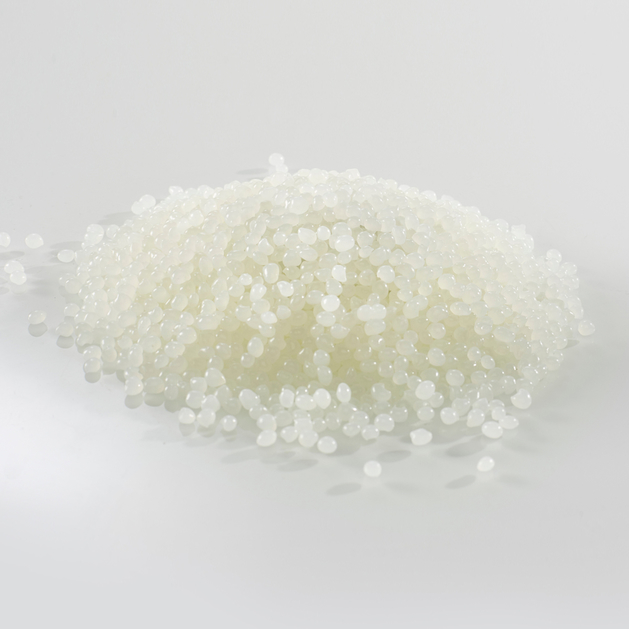
PO hot melt; It is a polyolefin based adhesive that is applied with heat and gains its initial strength through cooling. In packaging, hygiene, assembly and some wood applications; Depending on the product's formula, it can be used for goals such as good thermal stability, low odor, light color or adhesion to certain surfaces. PO hot melts are presented as a separate technology group in the Jowat product portfolio.
Differences between PO and EVA hot melt
| Criteria | PO hot melt | EVA hot melt |
|---|---|---|
| Basic polymer | Polyolefin based | Ethylene-vinyl acetate based |
| Initial adhesion and speed | Can be adapted to high-speed lines depending on the product | Available in a wide range of high-speed production applications |
| Thermal stability | In some formulas, it may provide an advantage against long hot waiting | Depends on the formula and operating condition; correct hot standby management is required |
| Color and odor | Light color and low odor are targeted for some products | Depends on the resin, additives and thermal history of the product |
| Surface compatibility | Advantageous options may be available on certain coated or difficult surfaces | Wide range of applications including paper/cardboard and wood |
| Selection method | Surface, line speed, open hold, temperature, strength and cost should be verified together | |
Should PO or EVA be chosen?
The decision should be made based on the answers to the following six questions:
- Are the surfaces to be bonded absorbent, coated or have low surface energy?
- What is the line speed and the time between glue release and printing?
- What temperatures will the product be exposed to during storage, transportation or use?
- Are there special compliance expectations such as scent, color and food packaging?
- What is the hot waiting time and shift order in the boiler?
- Is the total cost measured only by the kg price or together with consumption and downtime?
For example, in a high-speed carton closing line, fast initial adhesion, clean breaking and stable viscosity come to the fore; Surface compatibility, open hold, glue line and heat resistance may be more decisive in edge banding. Examining EVA hot melt products and hot melt technology guide together is the right start.
How to do a comparative line test?
When comparing two products on the same shift, surface lot, line speed, application pattern and test time should be kept constant. For each product, the operating range in the manufacturer's technical sheet should be taken as basis; Consumption, adhesion strength, open time tolerance, nozzle/pot contamination and post-stop restart behavior should be recorded.
What is PO Hot Melt? Differences with EVA Hot Melt hakkında merak edilenler
What does PO stand for hot melt?
PO is the abbreviation for polyolefin. PO hot melts are polyolefin based thermoplastic hot melt adhesives.
Is PO hot melt better than EVA hot melt?
There is no single superior technology for every application. Surface, line speed, temperature resistance, open hold, odor/color expectation and total process cost determine which product is suitable.
Can PO and EVA hot melt be used in the same machine?
Machine compatibility should be verified with the product's technical sheet and equipment manufacturer's instructions. Mixing, temperature and cleaning procedures during product transition should be planned by the technical team.
Where is PO hot melt used?
Depending on the product formula, it can be used in packaging, assembly, hygiene and various industrial bonding applications. The approved application area of each product should be checked in its technical sheet.
Technical resources and verification
The content has been prepared in Turkish with the technical experience of Koçak Endüstri, based on the following manufacturer resources.
Let's choose the right adhesive for your application together
You can get technical guidance and offers for Jowat products by sharing your machine, material and consumption information.
Get a technical quote