
Technical product family
Hot Melt Adhesives
Koçak Endüstri provides technical guidance to determine the right adhesive product family according to the application area and production conditions.
Selection by application
Search for Jowat and Mayer products by product code, industry, application, brand and adhesive technology; Access published TDS documents directly.
28030, 280.30, 280,30 And 280-30 matches the same product.
Compare adhesive products in the catalogue; Proceed to Riepe center for edge banding process chemicals.
First select the application; then narrow down the results by brand, technology, and document status. The current TDS should be taken as basis for precise process setting.
Simplify the search or get technical guidance by sending your application information to Deniz.
Share your application, material, machine and process information; Let Deniz narrow down the suitable product family by simply asking for the missing information.
Examine the product family's usage area and selection criteria; then compare the actual products in the technical catalogue.
Koçak Endüstri provides technical guidance to determine the right adhesive product family according to the application area and production conditions.
Selection by application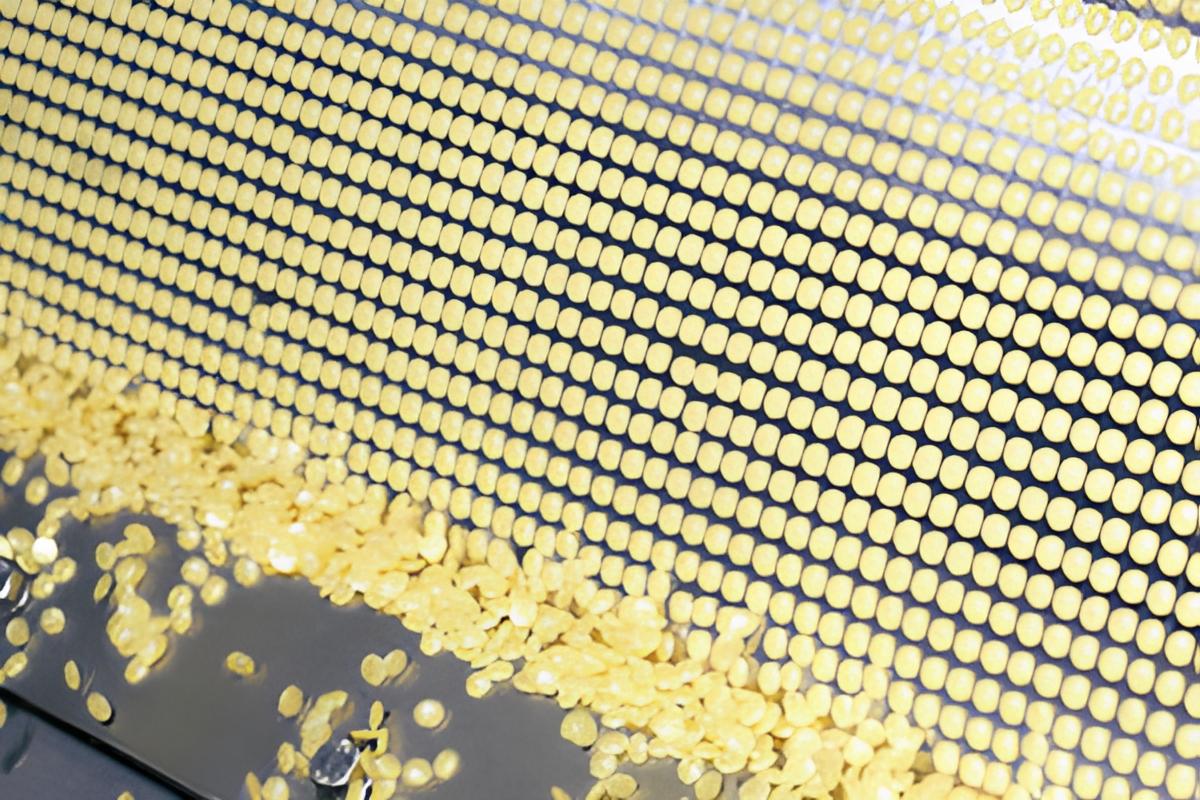
Koçak Endüstri provides technical guidance to determine the right adhesive product family according to the application area and production conditions.
Selection by application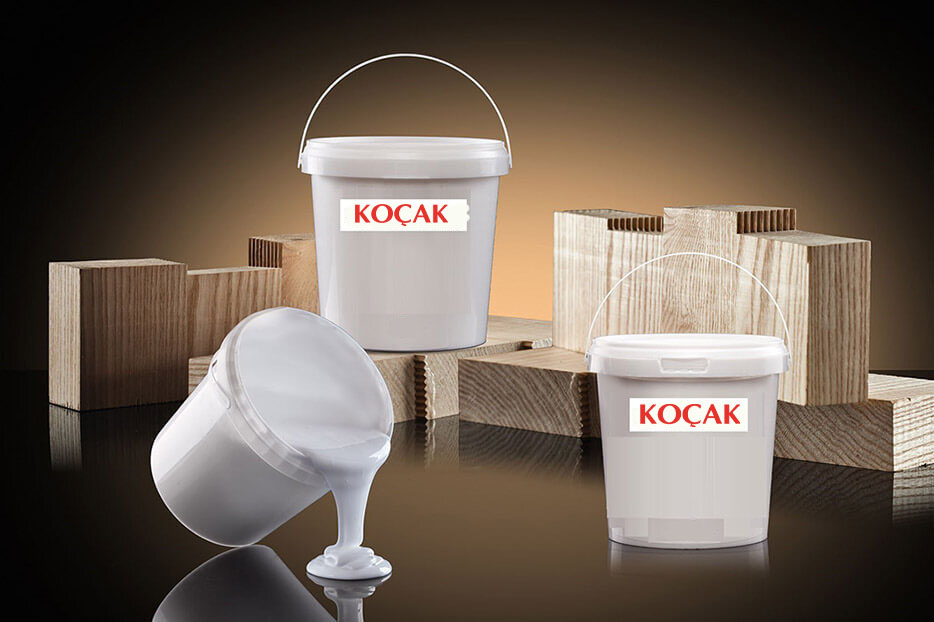
Koçak Endüstri provides technical guidance to determine the right adhesive product family according to the application area and production conditions.
Selection by application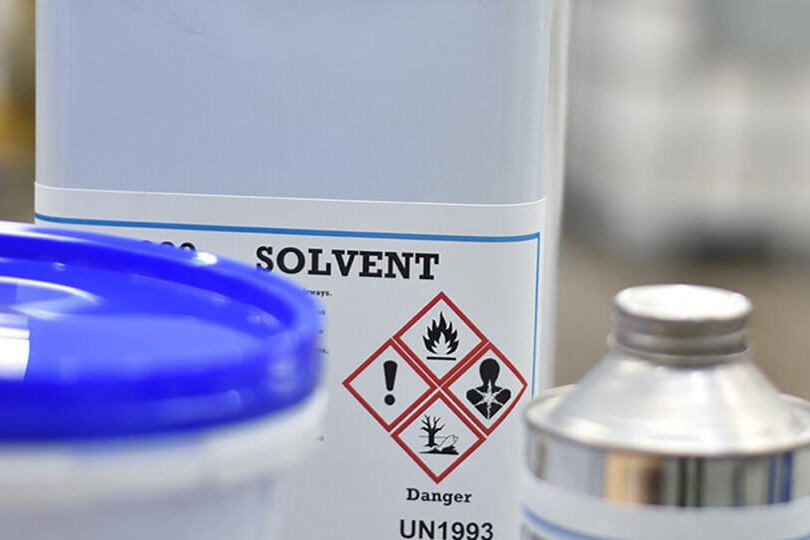
Koçak Endüstri provides technical guidance to determine the right adhesive product family according to the application area and production conditions.
Selection by application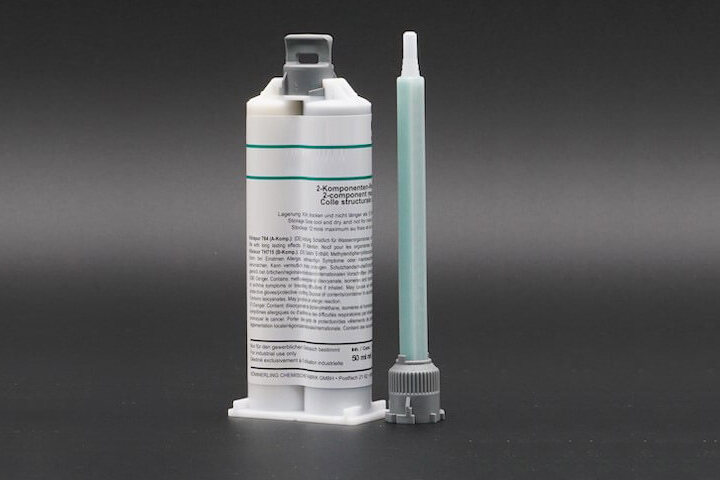
Koçak Endüstri provides technical guidance to determine the right adhesive product family according to the application area and production conditions.
Selection by application
Koçak Endüstri provides technical guidance to determine the right adhesive product family according to the application area and production conditions.
Selection by application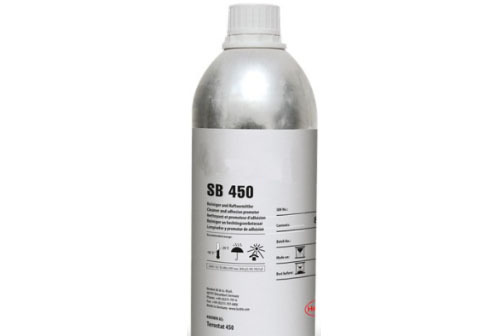
Koçak Endüstri provides technical guidance to determine the right adhesive product family according to the application area and production conditions.
Selection by application
Koçak Endüstri provides technical guidance to determine the right adhesive product family according to the application area and production conditions.
Selection by application
Koçak Endüstri provides technical guidance to determine the right adhesive product family according to the application area and production conditions.
Selection by application
Koçak Endüstri provides technical guidance to determine the right adhesive product family according to the application area and production conditions.
Selection by applicationEVA, PO, PUR, PSA, dispersion, solvent-based and reactive systems; Evaluate it together with its working principle, usage area, process control and durability expectation. Define your surface and production line before selecting a product code.
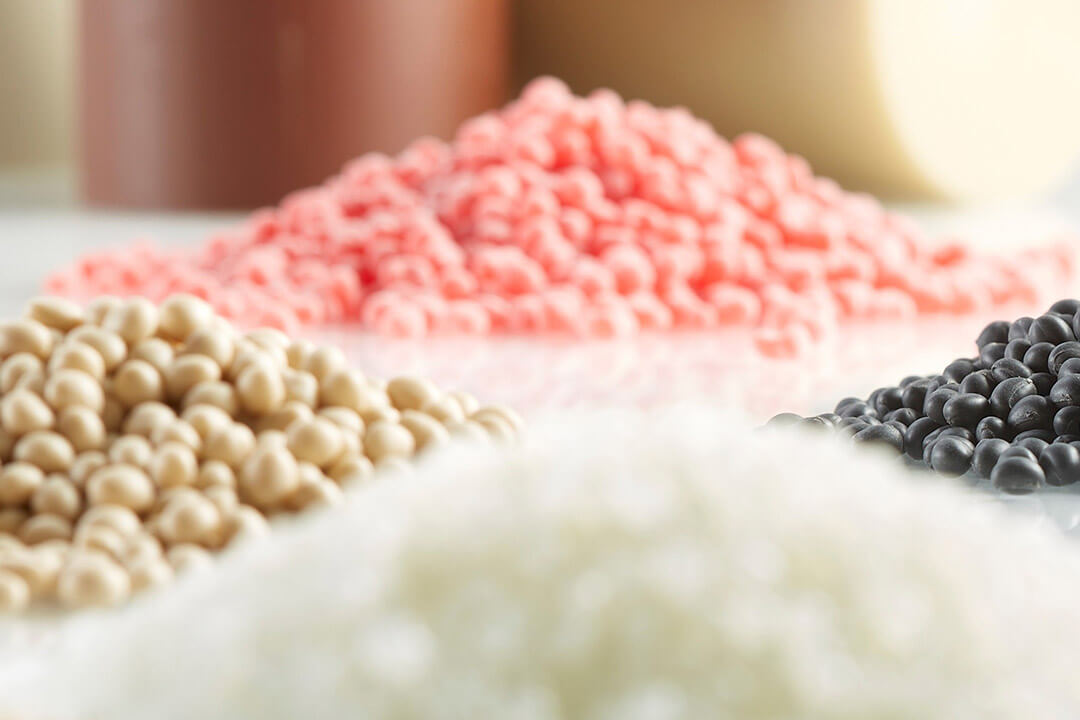
Hot melt adhesives are solvent-free industrial adhesives that are solid at room temperature and applied by melting at a controlled temperature. It forms a rapid initial bond upon cooling; Choose from EVA, PO or PSA family according to material, line speed and application temperature.
The product in granule, block or cartridge form is made fluid in the heating unit. It is transferred to the surface with a nozzle, roller or roller; Over time, the opposite surface is joined and adhesion occurs with cooling.
Reactive hot melt adhesives form their initial bond upon cooling; It then reacts with ambient moisture and gains a cross-linked and more durable structure. Therefore, PUR hot melt stands out in applications where long-term performance and harsh environmental conditions are expected.
The product is heated, protected from moisture, and applied with a controlled dosage. After initial mechanical adhesion is achieved, moisture curing continues; Final performance depends on product, surface, ambient humidity and process parameters.
Dispersion adhesives are water-based systems in which the binder components are dispersed in water. As water evaporates or is absorbed by the surface, a film forms and adhesion develops. It provides controlled operation in wood, paper, cardboard, textile and lamination processes.
The adhesive is applied to the surface as a homogeneous film. drying; It varies with temperature, air flow, surface absorbency, film thickness and press pressure. Before application, the surfaces must be clean and at the appropriate moisture level.
Solvent-based adhesives are systems that use solvent carriers to keep the binder at a viscosity suitable for the application and to provide rapid wetting. While it offers fast initial adhesion and flexibility on different surfaces, ventilation and occupational safety rules must be applied.
The adhesive is transferred to the surface as a thin and controlled film. With proper removal of the solvent, an adhesive film is formed; Open time, drying, surface temperature and ventilation determine performance.
Reactive single and double component adhesives are systems that aim for high ultimate strength by curing through a chemical reaction. Single-component products can be damaged by ambient humidity or heat; Two-component products, on the other hand, work by mixing resin and hardener in certain proportions.
The surfaces are prepared, the product is applied with the appropriate dosage and the parts are assembled in open time. In two-component systems, mixture homogeneity, pot life and curing temperature are closely monitored.
PSA adhesives are systems that provide adhesiveness under pressure and contact with the surface after being melted at a certain temperature or applied with a suitable carrier and cooled. It is used in label, tape, film and temporary or permanent assembly processes.
The adhesive surface must be clean and have appropriate energy. The applied pressure increases the actual contact area; Peeling, sliding, adhesion and aging performance are evaluated together with surface and environmental conditions.
Primer is a thin preparation layer that improves the adherence between the main adhesive and the surface. It supports the performance of the correct adhesive system, especially in low surface energy plastics, difficult-to-coat surfaces and in the joining of different materials.
The surface is cleaned, the primer is applied as a thin and homogeneous film, the recommended waiting time is completed and the main adhesive is taken into the process. Film thickness and drying time are adjusted according to the manufacturer's technical information.
Choosing a sustainable adhesive depends not only on the chemistry of the product; It requires looking at the amount of usage, energy need, waste rate, emission, product life and recycling scenario together. Koçak Endüstri supports technical evaluation in line with process objectives.
Product and process data are examined together: correct weight, less defective production, appropriate application temperature, equipment maintenance and material compatibility determine the total resource use.
Washing agents and cleaners help remove accumulated residue, line dirt, and surface contamination from adhesive application equipment in a controlled manner. Proper cleaning is as important as bonding for process stability, surface appearance and equipment life.
Cleaner; selected based on residue type, machine part, and recommended temperature. The product is applied in controlled amounts, dissolved residue is removed and the surface is examined for suitability before new production.
Polyurethane sealants create elastic and durable connections that tolerate surface movements. Can combine bonding and sealing in the same application; It is selected according to surface compatibility and curing conditions in panel, construction, automotive and industrial assembly processes.
The surfaces are cleaned, mastic is applied in appropriate cross-section and dosage, and sufficient time is given for assembly and correction of the parts. Curing depends on ambient humidity, joint geometry, temperature and material thickness.
Prosesinize en uygun yapıştırıcı teknolojisinin çalışma prensibini ve kontrol parametrelerini tek bakışta inceleyin.
| Technology | Working principle | common use | critical control | Basic limitation |
|---|---|---|---|---|
| Hot Melt Adhesives | The product in granule, block or cartridge form is made fluid in the heating unit. It is transferred to the surface with a nozzle, roller or roller; Over time, the opposite surface is joined and adhesion occurs with cooling. | Edge banding and profile covering, Cardboard box, parcel and packaging closing, Furniture, bookbinding and general assembly, Textile, filter and lamination processes | Tank, hose and nozzle temperatures, Application weight and line speed, Open time and pressing time, Surface cleanliness, tape compatibility and adhesive color | Excessive temperature may deteriorate the adhesive. Incorrect temperature or weight may create a weak bond. Carbonization and residue control is required during machine downtime. |
| Reactive Hot Melt Adhesives | The product is heated, protected from moisture, and applied with a controlled dosage. After initial mechanical adhesion is achieved, moisture curing continues; Final performance depends on product, surface, ambient humidity and process parameters. | Wood and aluminum profile covering, PUR edge banding, High-strength lamination, Textile, automotive and technical material bonding | Protection of the product from moisture and packaging management, Application temperature and open time, Ambient humidity and waiting time for curing, PUR compatible tank, hose and cleaning procedure | Equipment and process cleaning is more precise, final performance should not be expected before the curing period is completed, temperature adjustment should not be made without TDS and safety documentation. |
| Dispersion Adhesives | The adhesive is applied to the surface as a homogeneous film. drying; It varies with temperature, air flow, surface absorbency, film thickness and press pressure. Before application, the surfaces must be clean and at the appropriate moisture level. | Wood and furniture assembly, Paper, cardboard and packaging, Textile and nonwoven lamination, Decorative film and surface coating | Surface absorbency and moisture content, Film thickness and application amount, Drying time, air flow and press pressure, Freezing, storage temperature and mixing conditions. | Water resistance depends on product chemistry and curing condition. Drying may take longer in high humidity environments. Primer or different technology may be required on non-absorbent surfaces. |
| Solvent Based Adhesives | The adhesive is transferred to the surface as a thin and controlled film. With proper removal of the solvent, an adhesive film is formed; Open time, drying, surface temperature and ventilation determine performance. | Rubber, leather and flexible materials, Technical lamination and coating, Furniture and special assembly processes, Industrial applications where high initial tack is required | Ventilation and ambient conditions, Solvent compatibility and evaporation rate, Application weight and open time, Flammability, storage and personal protective equipment | Solvent emission and flammability risk must be managed, Proper ventilation is essential in a closed environment, Mass production should not be started without verifying surface and solvent compatibility. |
| Reactive Single and Two Component Systems | The surfaces are prepared, the product is applied with the appropriate dosage and the parts are assembled in open time. In two-component systems, mixture homogeneity, pot life and curing temperature are closely monitored. | Structural panel and composite joining, Automotive and vehicle parts, Industrial assembly and metal connections, Laminations requiring heat and moisture resistance | Mixing ratio and dosage precision, Pot life, press and curing time, Surface activation and cleaning, Temperature, humidity and storage conditions | Mixture errors directly affect performance, load should not be given before curing is completed, product and equipment compatibility should be verified with the technical sheet. |
| Pressure Sensitive Adhesives | The adhesive surface must be clean and have appropriate energy. The applied pressure increases the actual contact area; Peeling, sliding, adhesion and aging performance are evaluated together with surface and environmental conditions. | Label and self-adhesive film, Carton, masking and technical tapes, Bookbinding and graphic applications, Temporary fixing and special lamination | Surface cleanliness and surface energy, Application pressure and contact time, Peeling, shear and aging test, Temperature range and carrier material compatibility | Not always suitable for structural and high load-bearing connections. Dust, oil and low surface energy reduce adhesion. Post-use residue and repositioning expectations should be determined |
| primers | The surface is cleaned, the primer is applied as a thin and homogeneous film, the recommended waiting time is completed and the main adhesive is taken into the process. Film thickness and drying time are adjusted according to the manufacturer's technical information. | Plastics such as PVC, ABS, PP and PE, Metal, rubber and composite surfaces, Edge banding and profile coating, Film, lamination and special assembly | Cleaning the surface from oil, dust and moisture, Film thickness and application homogeneity, Flash-off and drying time, Primer-main adhesive and surface compatibility | If the primer selection is incorrect, adherence may not improve. Coating should not be done before drying is completed. Safety and solvent management vary depending on the product type. |
| Sustainable adhesive solutions | Product and process data are examined together: correct weight, less defective production, appropriate application temperature, equipment maintenance and material compatibility determine the total resource use. | Low emission targeted production, Packaging and recycling compatible bonding, Energy consumption reduced lines, Less wastage and longer product life targets | Application temperature and energy consumption, weight, waste and reprocessing rate, packaging and waste management, product life, maintenance and recycling compliance | Sustainability claim must be supported by measurable data, A single product may not provide the best results in all processes, Validation with current technical and regulatory knowledge is required |
| Washing Agents and Cleaners | Cleaner; selected based on residue type, machine part, and recommended temperature. The product is applied in controlled amounts, dissolved residue is removed and the surface is examined for suitability before new production. | Edge banding machines and PUR lines, Nozzles, tanks, hoses and application heads, Machine surfaces and finishing units, Manual maintenance and planned line cleaning | Type of adhesive to be cleaned, Machine material and surface compatibility, Application temperature and waiting time, Ventilation, PPE and waste management | Not every cleaner is suitable for every machine part, Excessive application may damage the surface or seals, SDS and equipment manufacturer's instructions must be observed |
| Polyurethane Sealant | The surfaces are cleaned, mastic is applied in appropriate cross-section and dosage, and sufficient time is given for assembly and correction of the parts. Curing depends on ambient humidity, joint geometry, temperature and material thickness. | Panel and structural element assembly, Automotive and industrial equipment, Sealing and elastic connections, Metal, glass, plastic and composite connections | Joint geometry and application thickness, Surface cleaning and primer requirement, Humidity, temperature and curing time, Product end-use strength and paintability | The joint should not be loaded before curing is completed, Surface compatibility and primer need should be verified, Joint design should be made within the technical limits of the product. |
Share your surface, machine, line speed, strength and target usage information; Let Koçak Endüstri team guide you in your selection of product family and technical documentation.
Hot melt adhesive is a solvent-free adhesive that is solid at room temperature and is applied after being heated and made fluid. It creates rapid initial adhesion upon cooling; Families such as EVA, PO and PSA are selected according to the application.
EVA hot melt bonds with cooling and is common for economical, fast processes. PUR hot melt, on the other hand, cures with ambient humidity after the first bond and aims for higher humidity, heat and chemical resistance. The right choice depends on the surface, usage environment and production conditions.
PO based hot melt adhesives; It is used in applications requiring high-speed packaging, lamination and controlled process cleaning. Heat resistance, flexibility, open time and surface compatibility should be compared on the technical sheet.
PSA hot melt adhesives are used when pressure sensitive adhesion is required; It is used in labels, tape, film, bookbinding and some special lamination applications. Peeling, shear and surface energy criteria should be examined together.
When choosing edge banding, band material, panel, machine type, line speed, application temperature, appearance expectation and moisture resistance are evaluated together. EVA can be an economical and practical start; PUR may come to the fore when high strength is expected.
Water-based dispersion adhesives are used in wood, paper, cardboard, textile and lamination applications. drying; Surface absorbency is affected by film thickness, temperature, air flow and press conditions.
Solvent compatibility, surface wetting, open time, ventilation, flammability, storage and personal protective equipment conditions should be evaluated. Application conditions should not be determined without reviewing the product safety data sheet and technical sheet.
Primer is the surface preparation layer that improves the adherence between the main adhesive and the hard-to-stick surface. It helps to increase adhesion stability on PVC, ABS, PP, metal, rubber and composite surfaces when the right product is selected.
One-component reactive products can be cured by ambient humidity or heat. In two-component systems, resin and hardener are mixed in a determined ratio; Mixing ratio, pot life and curing time are critical parameters of the process.
Application temperature should not be estimated from the product name alone. The current technical data sheet of the product, machine manufacturer, surface and line speed are evaluated together; tank, hose, nozzle and application point are controlled separately.
TDS; Includes technical information such as recommended application, temperature, viscosity, open time, surface compatibility and storage. Up-to-date TDS, safety documentation and small-scale application testing should be used together before mass production.
Surface type, bonding line, load and movement, temperature, humidity, chemical contact, line speed and appearance expectation are determined. Then, the appropriate technology family is selected and the product code, technical sheet and offer support are obtained from the Koçak Endüstri product catalogue.
The appropriate washing agent is selected for the type of residue and equipment material. Cleaner amount, temperature, waiting time and ventilation should be controlled. Testing should not be done on the surface without the machine manufacturer's instructions and SDS information.
Emission, energy consumption, product weight, wastage, reprocessing, packaging, product life and recycling scenario are considered together. The sustainability claim must be evaluated with measurable technical and operational data.
By selecting the product or technology family, you can submit the product code, application area and process conditions. Koçak Endüstri team; Provides guidance for the appropriate product family, technical documentation, application evaluation and proposal process.
We reinforce our industrial supply and technical solution capabilities with Koçak Group’s corporate experience, quality approach and sustainable growth vision.